The 50% Rule for Home Repairs: When to Stop Patching
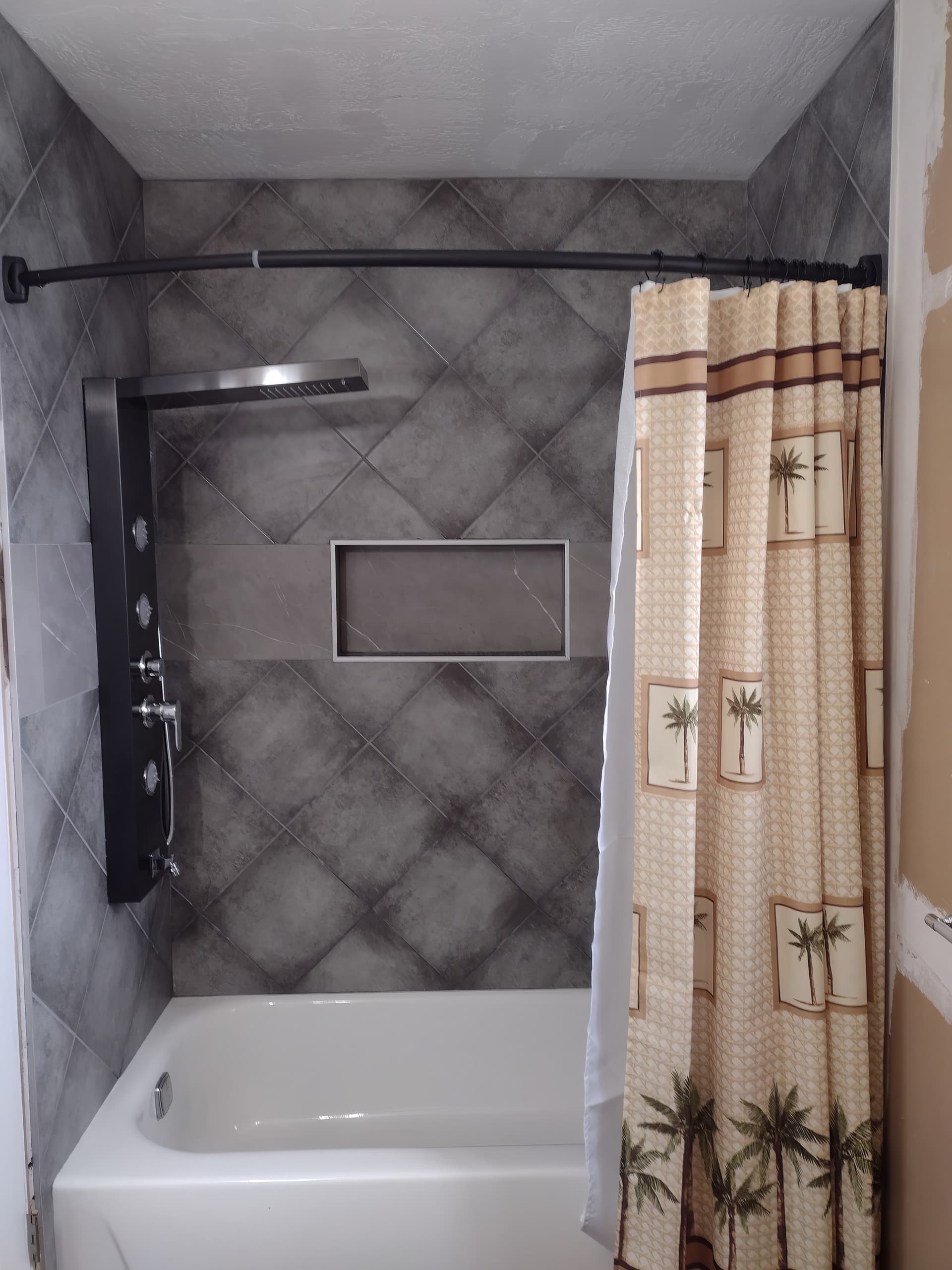
One of the hardest parts of being a homeowner is knowing when to stop putting band-aids on a problem. I see this all the time: someone will spend $200 fixing an old faucet, and then six months later, they spend another $150 fixing a different part of the same faucet. A classic rule of thumb in home maintenance is the 50% rule. If the cost of repairing an appliance, a plumbing fixture, or even a section of flooring exceeds half of what it would cost to simply replace it with a brand-new unit, you are almost always better off biting the bullet and investing in the replacement.
In Salt Lake County, where labor rates and material costs fluctuate, it's really important to get an accurate, upfront quote for both paths. I tell my clients to look at the "total cost of ownership." A $300 repair on a water heater that is already twelve years old is just throwing good money after bad. That small "patch" is usually just a temporary fix for a system that is reaching the end of its natural lifespan. The 50% rule helps take the emotion out of the decision and gives you a clear financial boundary.
Efficiency and Technology: The Hidden Costs of Old Systems
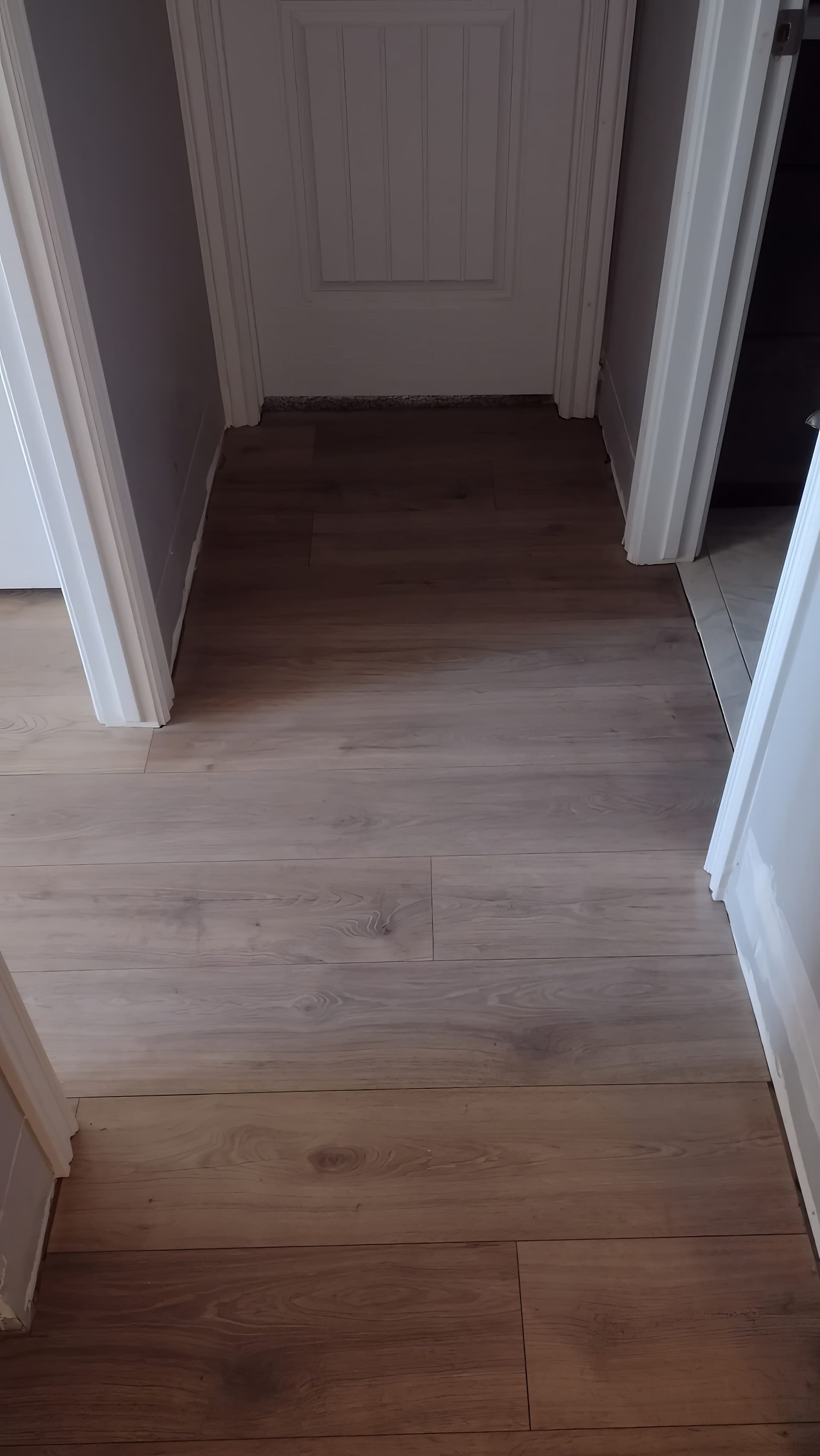
Technology isn't just for the phone in your pocket; it's rapidly changing the way our homes operate. Newer toilets use significantly less water without sacrificing flushing power, modern LED lighting setups save a surprising amount on your electricity bill, and smart thermostats can literally pay for themselves in a single Utah winter. When you're deciding whether to keep an old fixture on life support, you absolutely have to consider the ongoing operational costs.
That 20-year-old AC unit might still be "working," but its efficiency rating could be half of what a modern unit offers. Every time it kicks on during a July heatwave, it's pulling more power than it should. Upgrading isn't just about fixing a mechanical problem; it's about improving your home's overall performance. When we replace old, tired systems with modern, efficient ones, our clients almost immediately notice a drop in their monthly utility bills. Sometimes the cost of the replacement is entirely offset by the energy savings over a few years.
Impact on Home Value and Aesthetics in a Competitive Market
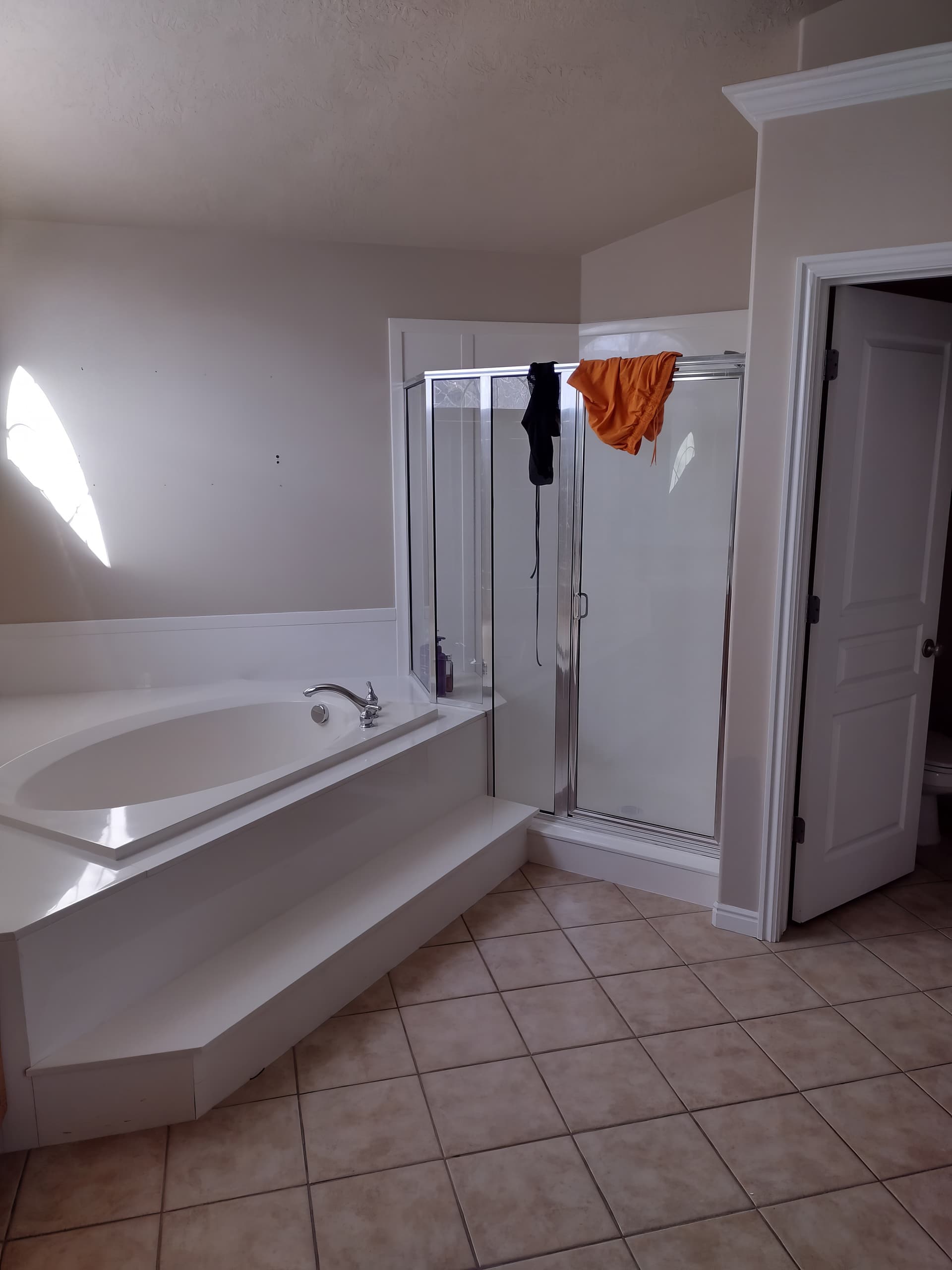
If you are even thinking about selling your home in the next three to five years, replacements almost always offer a better return on your investment than endless repairs. The Utah real estate market is competitive, and potential buyers are looking for homes that are "move-in ready." They don't want to buy your deferred maintenance. They want updated fixtures, modern finishes, and systems they don't have to worry about.
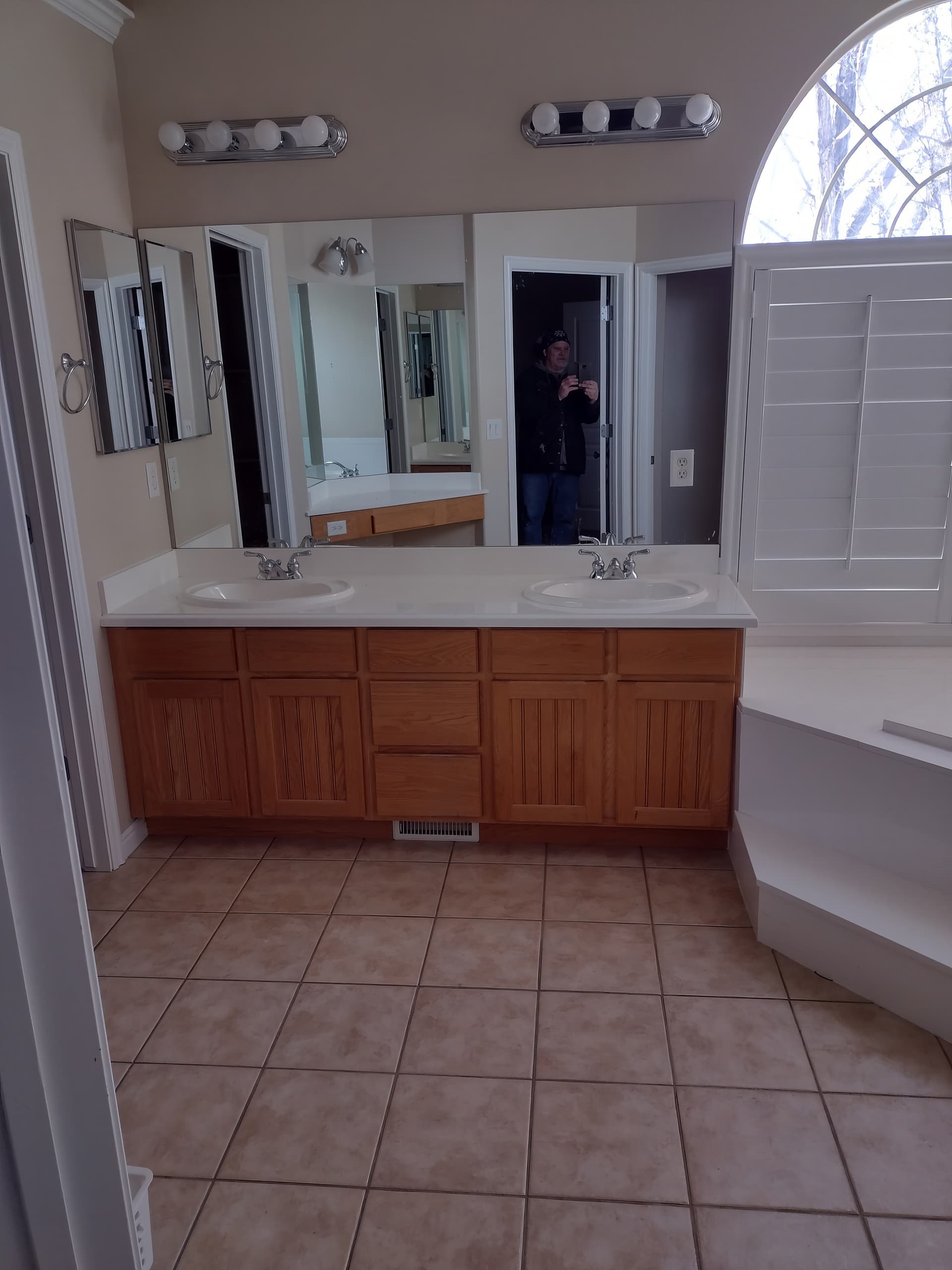
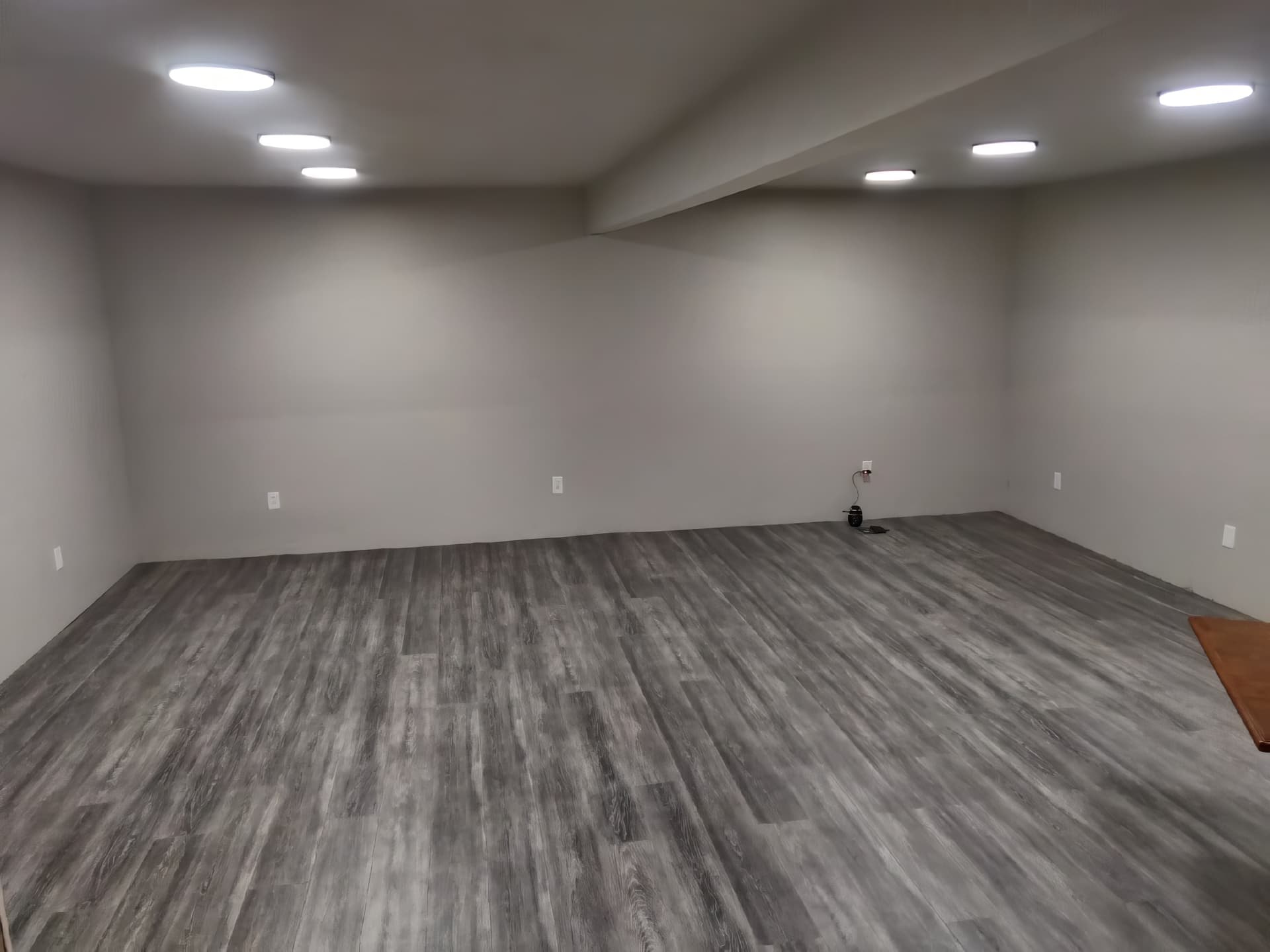
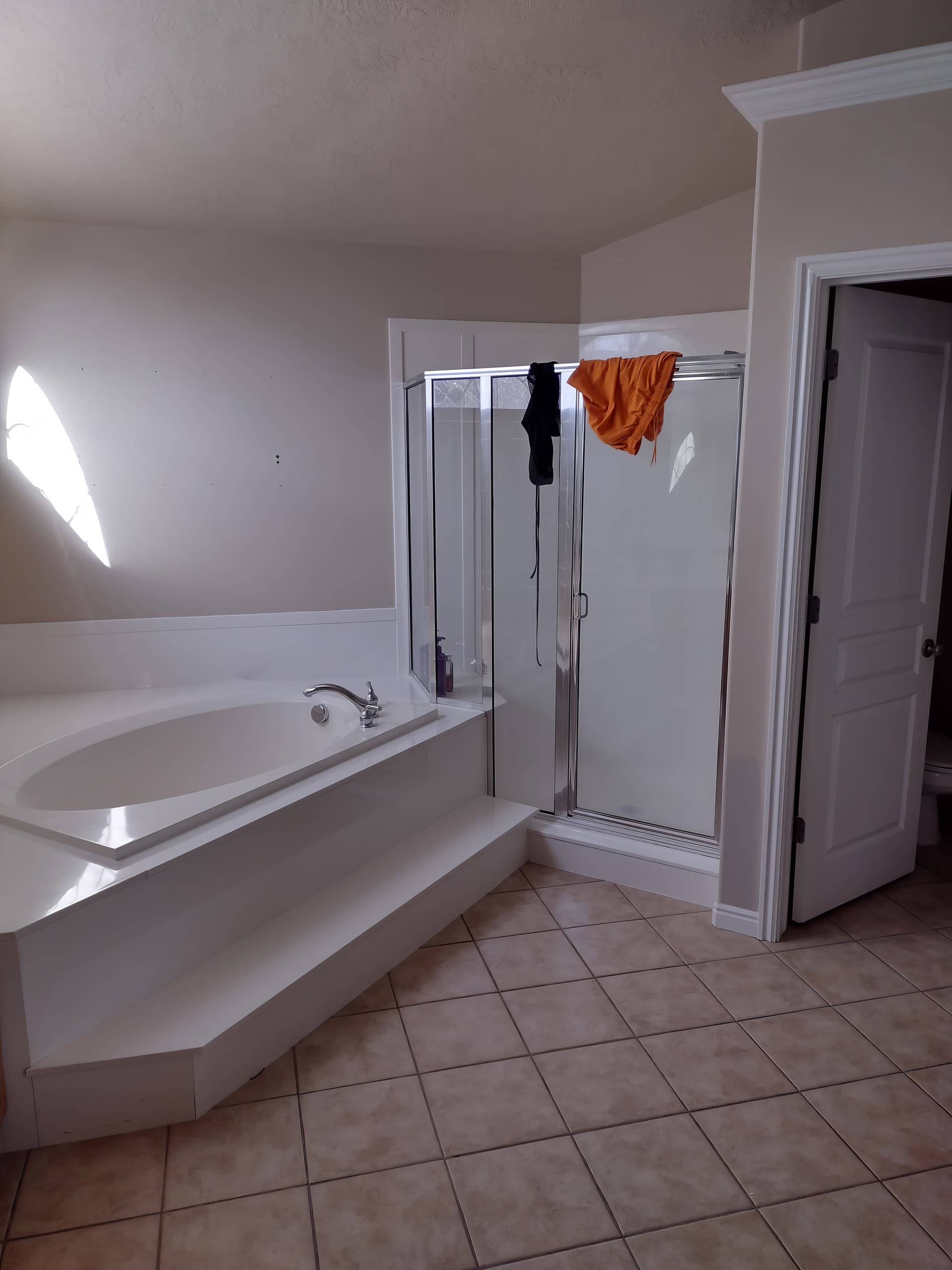
A patched-up drywall section in the living room or a repaired but visibly outdated vanity in the master bath might function perfectly fine, but they won't give buyers that "wow factor" they are looking for. I encourage my clients to think of replacements as an active investment in their home's equity, rather than just a painful maintenance expense. When you upgrade a bathroom fixture or install new, durable flooring, you aren't just fixing a leak; you are raising the baseline value of your property. It's a shift in perspective that changes how you look at your maintenance budget.
A Step-by-Step Decision Framework You Can Use Today
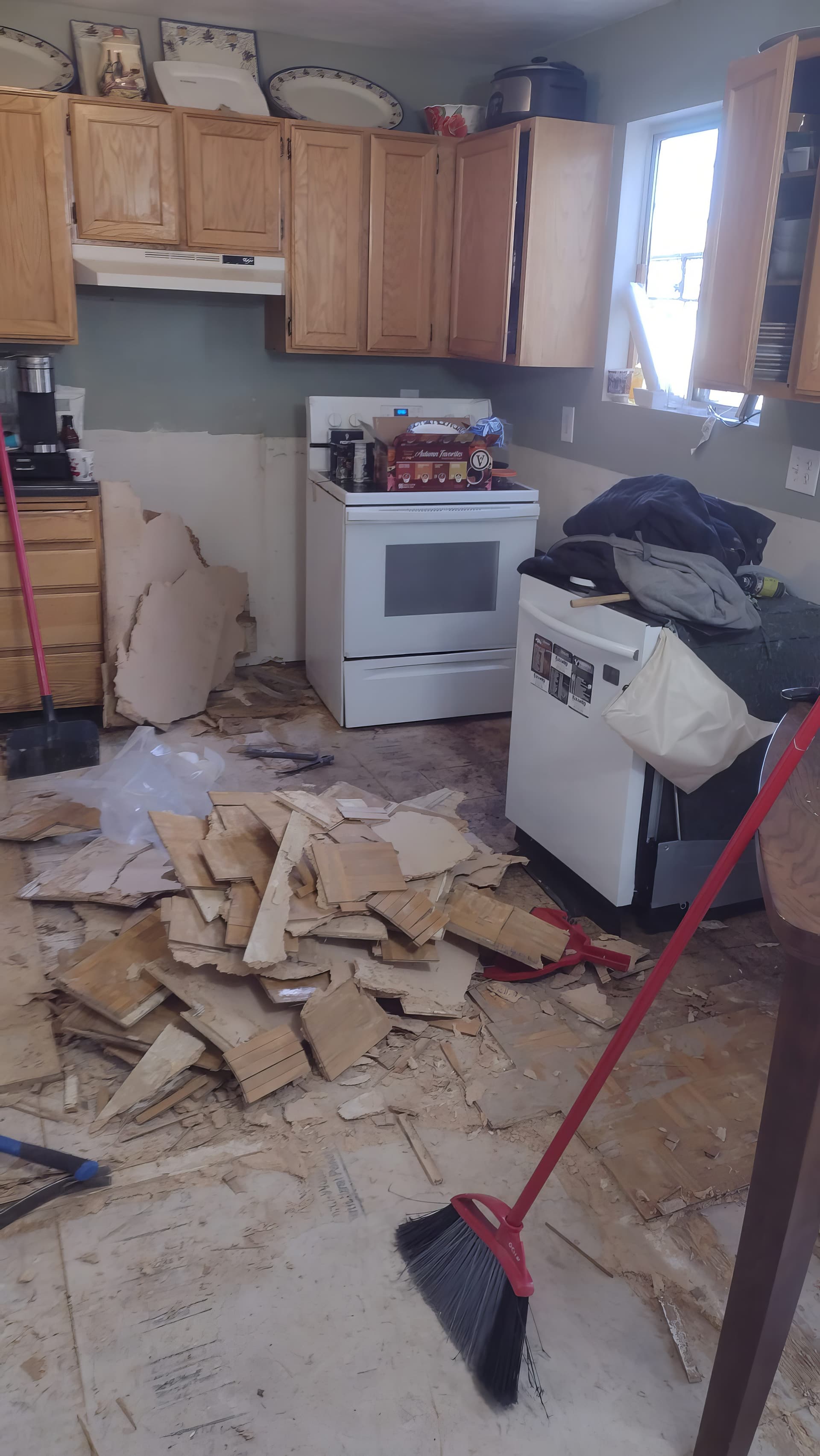
To make the right call and avoid buyer's remorse, I walk my clients through four simple questions: First, how much longer will this repair actually last? Second, will this repair solve the root cause, or just treat the symptom? Third, what are the real efficiency gains if we just put a new unit in? And fourth, how does this affect the overall look and feel of my space? If the answers point toward a short-term fix that leaves you with an ugly, inefficient fixture, it's time to replace.
At Patton Home Solutions, my goal is to give you honest, practical advice, not just sell you the most expensive option. Whether you need a surgical repair to get you through the year, or a full replacement to modernize your space, our team is ready to help you navigate those choices. If you're stuck on a repair-vs-replace decision right now, check out our services or reach out today. We'll help you figure out the smartest move for your home.
Need repair help fast?
Tell us your project details, location, and symptoms. We’ll follow up quickly to confirm scope and scheduling.