
Start with Framing and Substrate Conditions

If there's one thing I try to hammer into people's heads about drywall, it’s that the finish is only as good as the framing underneath it. I get calls all the time from homeowners in Salt Lake County who are frustrated because their brand-new wall looks like an ocean wave when the afternoon sun hits it. They usually blame the drywall taper, but nine times out of ten, the real issue started way before the first sheet of drywall ever went up. You see, if your wood framing isn't perfectly straight and on the same plane, no amount of mudding is going to magically fix it. We always start a project by taking a long level and checking the studs. Sometimes older homes in the valley have studs that have bowed or twisted over the decades. We have to shim or plane those studs so we have a flat surface to work with.
The other huge factor here is moisture. In Utah, we go from freezing, snowy winters to bone-dry, scorching summers. If you install drywall over framing that is still holding moisture—maybe from a recent roof leak or just because it's green lumber—that wood is going to shrink as it dries out. When the wood shrinks, the screws holding the drywall will pop right out, leaving you with little bumps all over your newly painted wall. We refuse to hang drywall until we know the substrate is completely stable and dry. It might take a little extra time on the front end to verify these framing conditions, but it completely eliminates the heartbreaking callbacks months down the road. Prep work isn't the glamorous part of the job, but it's the only way to guarantee a perfectly flat, professional result.
Choose the Right Finish Level for the Space
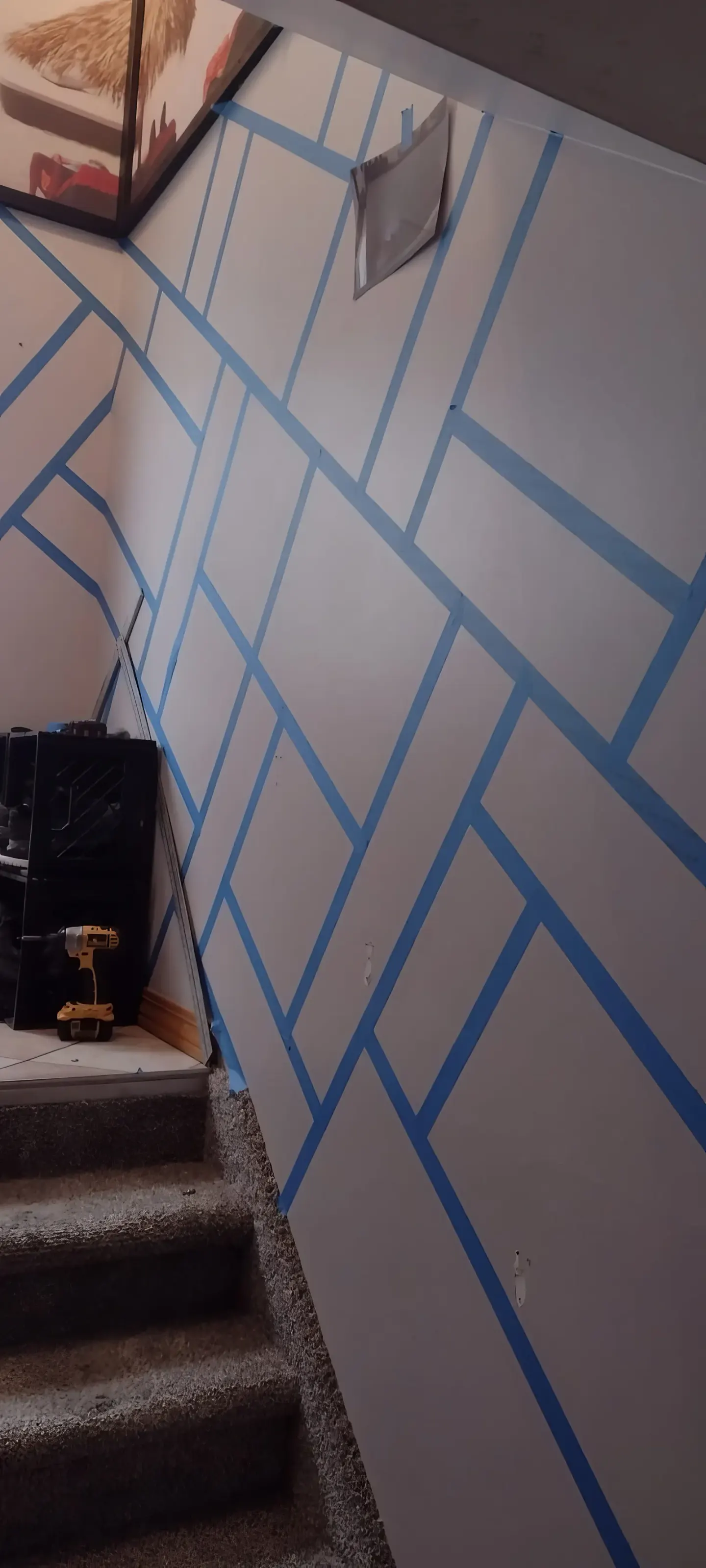
Here's a secret that can save you a lot of money on a remodel: not every room in your house needs the exact same level of finish. In the drywall world, we grade finishes on a scale from Level 1 to Level 5. A Level 1 finish is basically just tape and mud to keep the dust out—perfect for a hidden utility room or behind the furnace in your basement. A Level 5 finish, on the other hand, means the entire wall is skim-coated so it’s perfectly smooth like glass. We usually reserve that for high-end living rooms with massive windows where the natural light will reveal every tiny imperfection. For most standard bedrooms and hallways here in Utah, we go with a solid Level 4 finish, usually followed by a light knockdown or orange-peel texture.
But the key is making that decision before we ever start. If you tell me you want a simple textured wall, and then halfway through you decide you actually want a perfectly smooth gallery finish, we basically have to start over. I always walk my clients through these options because finish level is one of the biggest levers you have for controlling the cost of your project. If you're finishing an unfinished basement, maybe you put the premium finish in the new family room, but stick to a basic Level 3 in the storage closet. We also talk about primer compatibility. If you're going to use high-gloss paint, you absolutely need a higher finish level, because shiny paint acts like a magnifying glass for every little bump and ridge. Picking the right finish level is about matching your aesthetic goals to your budget.
- Level selection based on room visibility
- Texture planning before final sanding
- Primer compatibility with finish goals
- Lighting checks for reveal of seams and joints
Common Installation Mistakes to Avoid
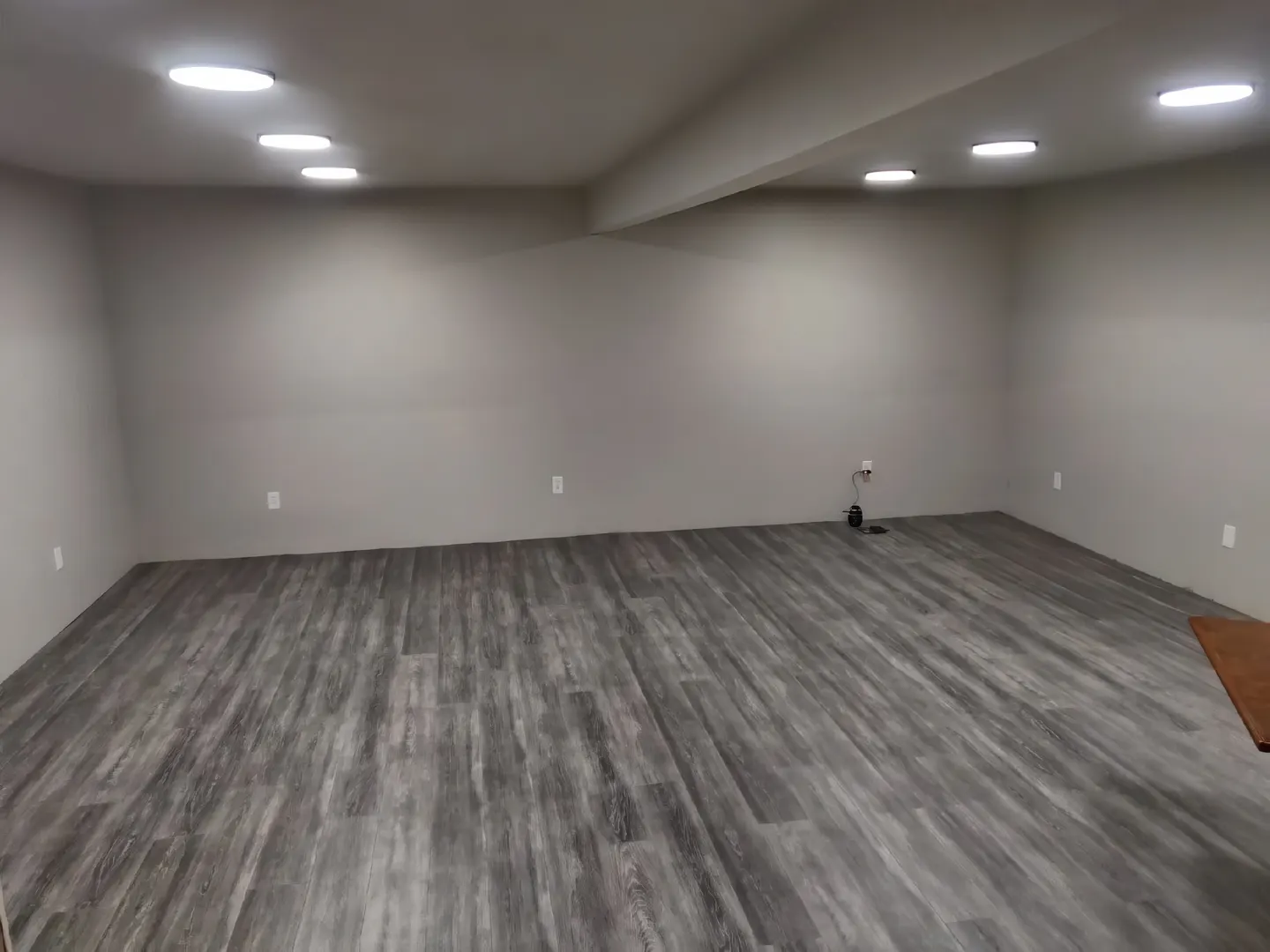
Drywall is one of those trades where you can literally see the mistakes every day if the job is rushed. One of the most common shortcuts I see is a sloppy screw pattern. Some guys will try to save five minutes by spacing their screws too far apart, or they’ll drive them in too deep and break the paper face of the drywall. When that paper breaks, the screw loses all its holding power, and eventually, that panel is going to sag. Another classic mistake is poor seam bedding. When we join two pieces of drywall, we lay down tape and mud. If you don't push enough mud under the tape, or if you don't let it dry completely before adding the next coat, you get what we call "shadowing." Basically, a few months later, a faint line appears running straight down your wall. It drives homeowners crazy.
In our dry Utah climate, you also have to be incredibly careful about dry times between coats. The air pulls moisture out of the mud so fast that the top layer can dry while the underneath is still wet. If you rush the next coat, it’s going to crack like a dry riverbed. That’s why we take a slower, more controlled approach. We sequence the work so every layer has the exact right amount of time to cure before we sand or apply the next coat. It might mean we are out of your house for an afternoon while things dry, but it’s the only way to avoid the kind of costly rework that ruins a project schedule. Doing it right the first time is always faster than doing it twice.
How to Plan Drywall Installation with Other Trades
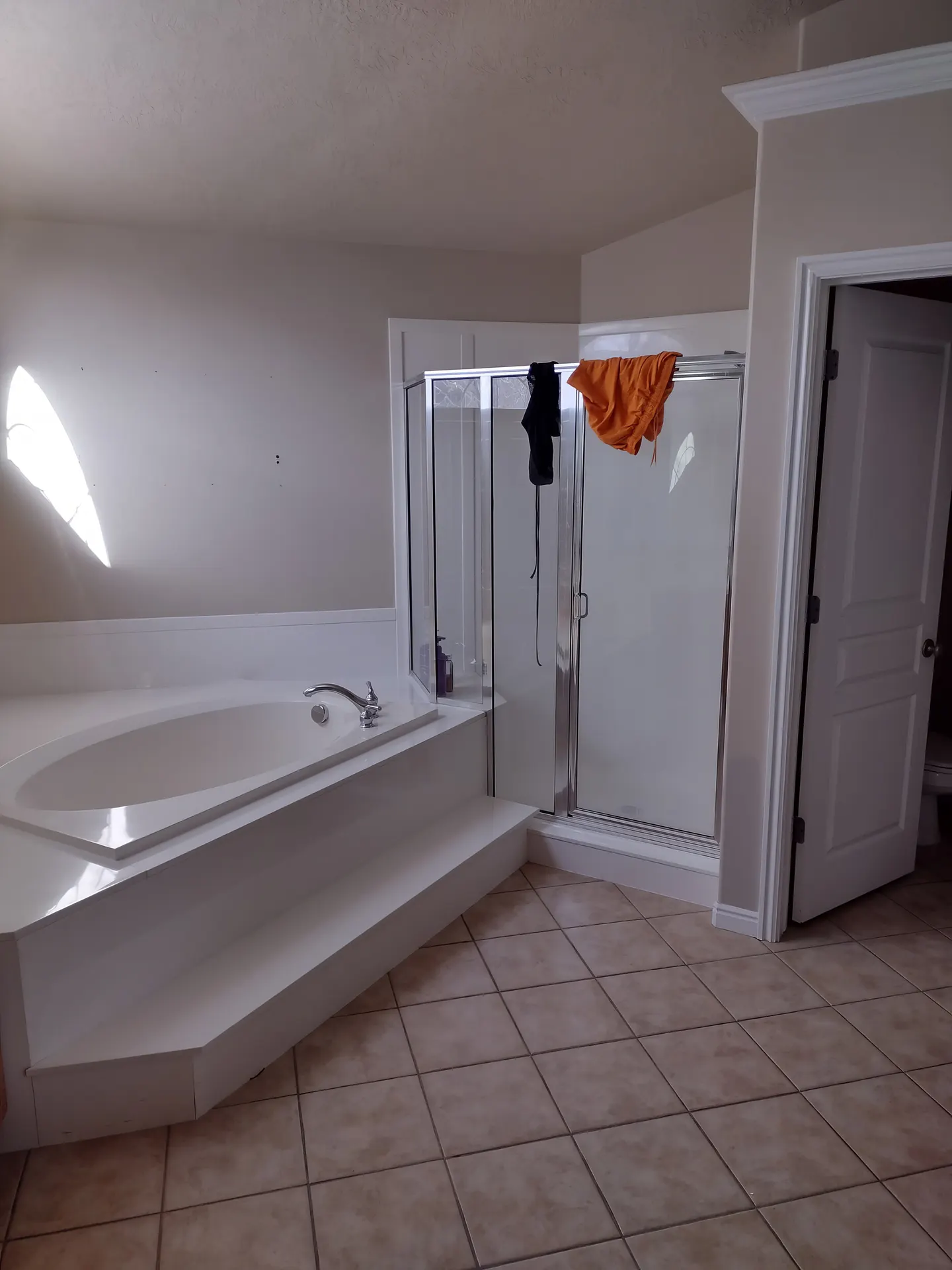
If you want to know the easiest way to waste money on a remodel, it’s hanging drywall before the other trades are actually finished. I can’t tell you how many times I’ve shown up to patch a massive hole because the electrician realized they forgot to run a wire for a light switch, or the plumber needed to move a pipe two inches to the left. Drywall should always be the absolute last step of the "rough-in" phase. We need to coordinate closely with the folks doing your minor electrical, your plumbing fixtures, and even your HVAC. Once the backing is in the walls and all the boxes are perfectly placed, then we come in and close it up.
This completely avoids that endless cycle of cutting and patching that drags a project out for weeks. At Patton Home Solutions, we love handling these integrated projects because we can control the sequence. If we’re updating your bathroom fixtures and repairing the drywall at the same time, we know exactly where the framing is and exactly when the walls are ready to be sealed. If you are planning a repair or a remodel, take a look at our handyman services to see how we manage these multi-step projects. You can also request a free estimate so we can sit down and map out the exact scope of your job before anyone starts swinging a hammer.

Patton field note
I have spent decades fixing, remodeling, and maintaining homes across Salt Lake County. My goal is to share practical, no-nonsense advice to help you keep your property in top shape.
Tracy Patton · Owner & Lead Specialist
Photos on this guide come from Patton's project and field archive where available; illustrative images are labeled in the article record.
Planning a whole-home project?
Share your location, photos, priorities, and timing. Patton will help identify the right next step and connect the conversation to a clear service scope.
Keep researching
Connect this guide to the work itself: review related Patton projects, then check service coverage in Salt Lake City, West Jordan, South Jordan, Sandy, Draper, and nearby Salt Lake County communities.