
Basements tempt people to start with paint colors and couches, but the smart first questions are about moisture, egress, ceiling height, mechanical access, and where the plumbing can realistically go.
If you are searching for basement remodel contractor Salt Lake City, that is the mindset I would bring to the project. I would not start by asking, "What finish looks coolest?" I would start by asking what is not working now, what has to change, what can stay, and which decisions could create expensive ripple effects later.
Salt Lake City has a mix of older homes, remodels in established neighborhoods, and newer infill. Interior alterations, additions, and trade work can trigger permit review, so scope should be checked before demolition. That local piece matters because a project can move from cosmetic work into permitted work as soon as structure, plumbing, electrical, mechanical systems, or occupancy-related items change. The safest habit is simple: confirm the jurisdiction and permit requirements before demolition, not after the wall is open.
I also like to separate a remodel into three buckets: must fix, should improve, and nice to have. The must-fix list protects the house and keeps the project functional; the should-improve list is where most of the day-to-day value comes from; and the nice-to-have list is where the budget can get goofy if nobody is watching it.
For basement finishing, the biggest wins usually come from more usable living area, better storage, a dedicated office or guest space, improved lighting, and a basement that feels connected to the rest of the home. The frustrating surprises tend to be moisture, concrete movement, ceiling height, ductwork, electrical panel capacity, plumbing locations, egress requirements, insulation, radon considerations, and access to shutoffs. None of that means you should be scared of remodeling, it just means the planning deserves the same attention as the finishes.
This guide walks through the decisions I would make before hiring, the scope questions I would put in writing, the local permit issues worth checking, and the details that help a basement project finish cleanly instead of turning into a string of "while we're at it" changes. The goal is not to make the project complicated. It is to make the complicated parts visible early, while they are still cheap to solve.
Define the Scope Before You Compare Contractors
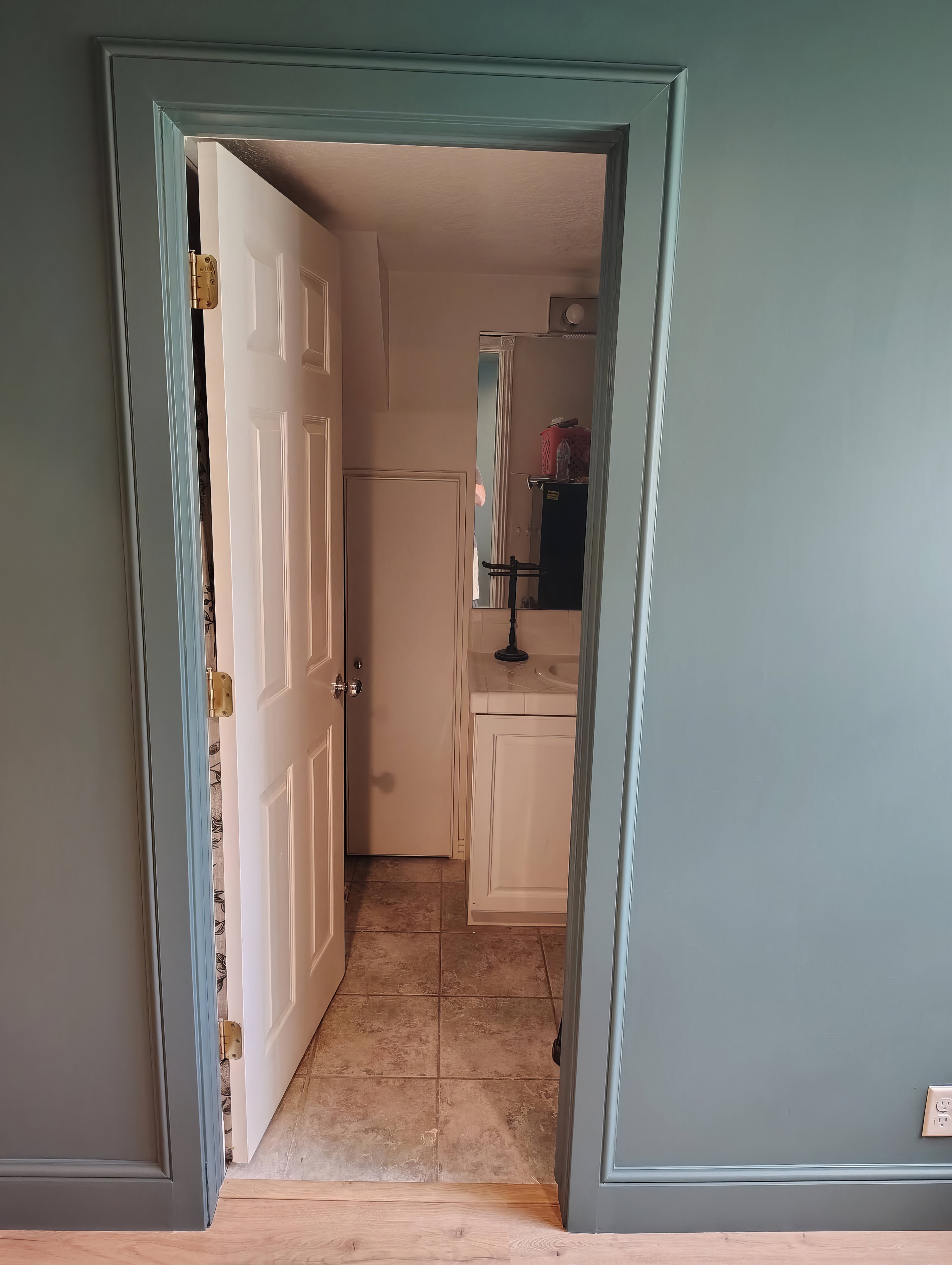
I start scope planning with a boring question: what does done actually mean? For basement remodel contractor Salt Lake City, that answer should be more specific than "update the basement." A useful scope identifies what is being removed, what stays, what gets repaired, what gets replaced, and which surfaces will be touched by the work. That is how you keep two people from pricing two different projects and calling the estimates comparable.
The next step is to write the project in layers. I list function first, then systems, then surfaces. Function covers movement, storage, access, and daily use. Systems cover plumbing, electrical, HVAC, framing, ventilation, or moisture management as needed. Surfaces are the fun part: moisture-tolerant flooring, insulation, drywall, acoustic treatments, trim, durable paint, recessed lighting, doors, bathroom finishes when included, and accessible mechanical-room details. When the list is written in that order, pretty choices stop hiding practical problems.
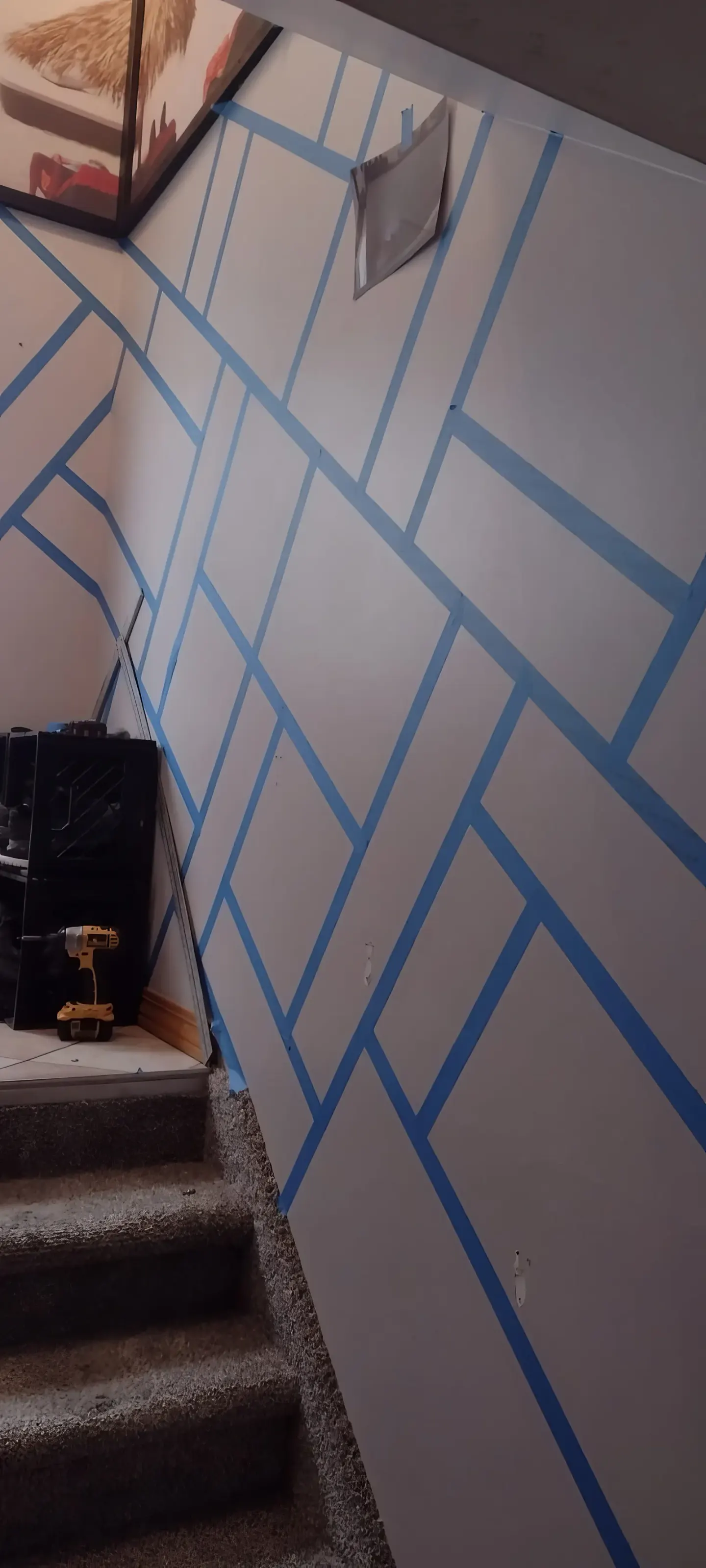
A little trick I use is to walk the room with painter's tape and mark anything that is changing. Door swings, cabinet edges, fixture centers, wall openings, shelves, switches, and even furniture footprints can be mocked up before demolition. It feels almost silly, but it catches bad clearances fast. Five minutes with tape is cheaper than moving finished work.
I would also build an exclusions list. If the contractor is not painting adjacent rooms, moving furniture, repairing unrelated water damage, matching discontinued flooring, relocating utilities, or supplying certain fixtures, say that plainly. A clear exclusion is not a negative; it is protection for both sides. The ugly arguments happen when an assumption lives in one person's head and not in the written scope.
For this type of project, common scope items include basement egress, ceiling height, mechanical room access, basement insulation, moisture control. Those items are connected more than they look. Change one and you can affect another. That is why I would rather spend an extra hour on measurements and sequencing up front than spend a week improvising after materials are already ordered.
Finally, I would rank every decision by how expensive it is to change later. Moving a wall, drain, electrical circuit, window, or major cabinet run is a high-cost change. Paint color and some hardware are lower-cost changes. That ranking helps when the budget gets tight because you protect the decisions that are hardest to redo and stay flexible on the decorative stuff. It is a simple way to keep control without sucking all the fun out of the remodel.
How to Compare Estimates Without Getting Fooled by the Bottom Line
A remodeling budget should be a scope budget, not a wish number. I have seen people pick a round total first and then try to force every decision underneath it. That can work for a small refresh, but for basement remodel contractor Salt Lake City I would price the major systems and materials first, then decide which version of the project fits the number. The math is much less emotional that way.
I break the budget into labor, rough materials, finish materials, specialty trades, permits or plan costs when applicable, disposal, protection/cleanup, and contingency. Finish materials are where homeowners usually have the most control. Labor and required system work are less flexible because the work still has to be installed correctly. If a bid hides everything inside one lump sum, I ask enough questions to understand what assumptions are carrying the number.
Contingency is not a contractor tip jar; it is a homeowner safety valve. In existing houses, moisture, concrete movement, ceiling height, ductwork, electrical panel capacity, plumbing locations, egress requirements, insulation, radon considerations, and access to shutoffs can change the plan after demolition. I prefer having money reserved for real discoveries instead of pretending nothing will happen and then financing every surprise on a credit card. The older or more invasive the project, the more important that reserve becomes.
Allowances deserve special attention. A $300 faucet allowance and a $1,200 faucet preference are not the same project. The same goes for tile, lighting, flooring, cabinets, countertops, plumbing trim, doors, and hardware. I would ask for allowances to be written by category and make selections early enough that the estimate can be updated before installation begins.
The cheapest line item can also create the most expensive downstream problem. A bargain material that needs more prep, special installation, frequent sealing, or early replacement may not be a bargain. I compare installed cost and maintenance, not just shelf price. For basement work, I care a lot about durability, cleanability, water resistance where relevant, and whether replacement parts will still exist later.
One more thing: I would decide in advance how changes are approved. A change order should describe the added or removed scope, cost difference, and any schedule effect before the work is performed whenever practical. That makes the budget a living document instead of a surprise at the end. It is not glamorous, but clear change control is one of the best ways I know to keep a remodel from becoming financially exhausting.
How to Vet a Local Remodeling Contractor
When I compare contractors, I do not start with personality or even price. I start with scope comprehension. Did the person notice the tricky parts of the project? Did they measure carefully? Did they ask what stays, what moves, and what happens at the edges of the work? A contractor who understands the boundaries of basement remodel contractor Salt Lake City is easier to compare than someone who throws out a fast number and promises to figure it out later.
Next I look at the written estimate. It should tell me enough to understand the sequence and finish standard: demolition, protection, rough work, installation, patching, trim, paint, cleanup, and who supplies which materials. For trade-heavy work, I want to know how plumbing, electrical, HVAC, countertop fabrication, glass, or other specialty items are coordinated. "Labor and materials included" is convenient wording, but it is not much of a roadmap.
Licensing and insurance matter because remodeling can cross from simple finish work into regulated trade or structural work. Utah licenses contractors by classification, and specialty electrical or plumbing work has its own requirements. I would verify the contractor's current status for the scope being performed and ask how specialty trades are handled. That is not being difficult. It is normal due diligence when people are opening walls in your house.
Communication style is another practical test. I ask who my point of contact is, how schedule changes are shared, how often I should expect updates, and what happens if a material arrives damaged or late. A remodel can survive a delayed cabinet. It struggles when nobody tells the homeowner what the delay changes. Clear communication does not eliminate problems, but it makes problems manageable.
I also ask for examples that are actually similar to the proposed scope. A beautiful deck does not tell me much about shower waterproofing, cabinet layout, basement egress, or a complicated interior renovation. The closer the example is to your project, the more useful it becomes. I care about the details in the photos too, transitions, caulk lines, trim returns, outlet alignment, tile layout, protection, and final cleanup.
My final contractor test is the least exciting: does the business make it easy to know what happens next? Patton Home Solutions currently emphasizes written scope, direct communication, clean job sites, and owner-led remodeling across Salt Lake County. Those are the kinds of operating details I would compare against any local bidder, because a good remodel is not just craftsmanship; it is also planning, accountability, and a clean handoff at the end.
Permits, Scheduling, and the Construction Process
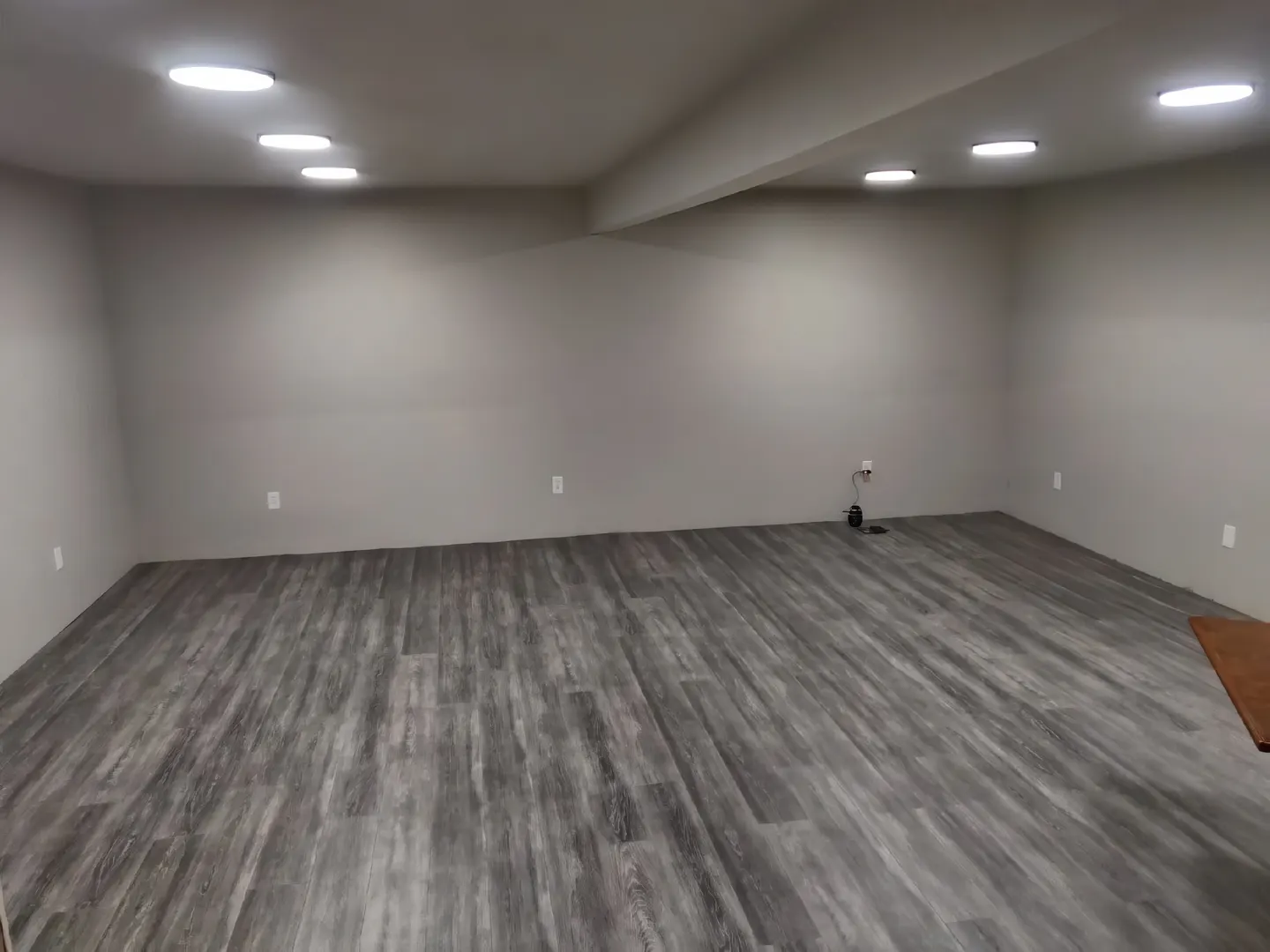
Permits are one of those topics where people want a universal yes-or-no answer, and remodeling just does not work that way. Cosmetic finish work may be exempt in some situations, while structural changes, additions, interior demolition, and changes to electrical, plumbing, or mechanical systems commonly trigger permits. The key is to ask about the actual scope at the actual address before work starts.
In Salt Lake City, permit applications are submitted through the Citizen Access Portal, and projects that need plan review go through the city's electronic process. The city notes that renovations involving structural alterations or layout changes, additions, trade-system work, and interior demolition are examples of work that can require permits. That is useful guidance, but I would still verify the specific project rather than assuming a blog post is a permit determination.
If the property is elsewhere in Salt Lake City, the responsible authority may be a different municipality or district. This is where homeowners get tripped up: "Salt Lake County" is a service area, not one single building department for every address. I would confirm the jurisdiction first, then ask that jurisdiction which permits, drawings, trade permits, and inspections apply.
Permit planning should happen before materials are ordered if the design depends on structural openings, window changes, plumbing relocation, a new bathroom, added square footage, or other layout changes. A plan reviewer may ask for information that affects framing, utilities, setbacks, or construction details. If those questions happen after cabinets or windows are ordered, the schedule can get painful in a hurry.
I would also clarify who pulls each permit and who calls inspections. For owner-occupied primary residences, Utah and local rules can allow some owner-builder activity, but rental, commercial, structural, and licensed-trade situations can change who is allowed to perform or permit the work. A professional contractor should be able to explain the process for the work they are taking on without getting weird about the question.
The practical reason to care is bigger than paperwork. Permits create checkpoints for work that may be buried behind drywall or finishes. They can also matter later during a sale, insurance question, or future renovation. I am not saying every paint job needs city involvement, it does not. I am saying the permit conversation belongs near the beginning of basement remodel contractor Salt Lake City, while the design is still flexible and the walls are still closed.
One last practical check I use is to stand in the finished-space mindset before construction begins. Imagine cleaning it, carrying groceries or laundry through it, replacing a light bulb, reaching a shutoff, opening every door, and fixing something five years later. Good basement finishing is not only about installation day. It should remain understandable and serviceable after the contractor leaves, which is why access, documentation, spare materials, and a final walkthrough belong in the plan.
Frequently Asked Questions
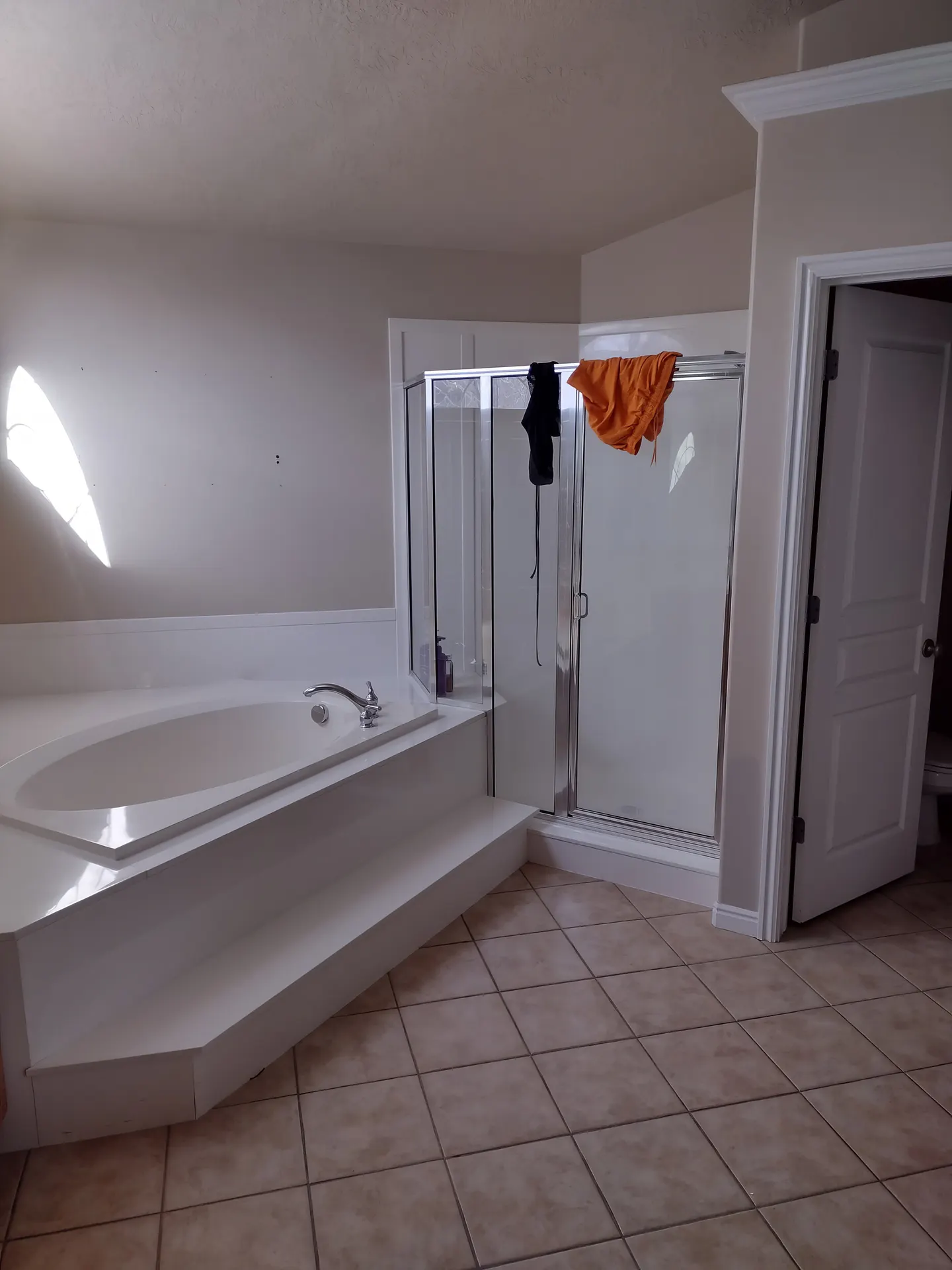
Do I need a permit for basement remodel contractor Salt Lake City?
It depends on the exact scope and jurisdiction. Cosmetic finish work may be exempt, while structural changes, interior demolition, additions, and many plumbing, electrical, or mechanical changes commonly require permits. Confirm the address and scope with the responsible building department before work begins.
How should I compare estimates for basement finishing?
Give each contractor the same written scope and compare inclusions, exclusions, allowances, material assumptions, trade coordination, permit responsibility, cleanup, schedule, and change-order process. A lower total is not necessarily cheaper if important work is missing.
What should I choose before demolition?
Lock in any items that control dimensions or lead time. Depending on the project, that can include moisture-tolerant flooring, insulation, drywall, acoustic treatments, trim, durable paint, recessed lighting, doors, bathroom finishes when included, and accessible mechanical-room details. The more field-dependent an item is, the more important it is to verify measurements before ordering.
How do I reduce surprises during a basement remodel?
Investigate existing conditions, keep a contingency, make a clear exclusions list, and discuss likely hidden issues such as moisture, concrete movement, ceiling height, ductwork, electrical panel capacity, plumbing locations, egress requirements, insulation, radon considerations, and access to shutoffs. Surprises cannot always be eliminated, but they can be handled with a written process.
Does Patton Home Solutions serve Salt Lake City?
Patton Home Solutions serves Salt Lake County, including Salt Lake City, West Jordan, South Jordan, Sandy, Draper, and nearby communities. Confirm scheduling and the exact project scope when requesting an estimate.
Conclusion: Plan basement remodel contractor Salt Lake City Around the House You Actually Have
The best basement finishing plan is not the one with the most upgrades. It is the one that solves the right problems, fits the property, and makes the construction sequence understandable before demolition starts. I would keep coming back to the same basics: define the scope, measure carefully, verify permit needs, make key selections early, compare contractors on the same work, and keep changes in writing.
If you are in Salt Lake City, customize the checklist to your address and your home. Older construction, previous renovations, utility locations, jurisdiction, and the amount of structural or trade work can all change the plan. When safety, structure, electrical, plumbing, HVAC, waterproofing, or code questions are involved, use the properly qualified professional instead of guessing.
Patton Home Solutions provides remodeling and repair services across Salt Lake County with an emphasis on clear written scope, practical material guidance, direct communication, and clean finished work. If you are ready to turn your ideas into a real scope, request an estimate from Patton Home Solutions and send the project details, photos, and location so the next step can be defined clearly.

Patton field note
I have spent decades fixing, remodeling, and maintaining homes across Salt Lake County. My goal is to share practical, no-nonsense advice to help you keep your property in top shape.
Tracy Patton · Owner & Lead Specialist
Photos on this guide come from Patton's project and field archive where available; illustrative images are labeled in the article record.
Planning a basement project?
Share your location, photos, priorities, and timing. Patton will help identify the right next step and connect the conversation to a clear service scope.
Keep researching
Connect this guide to the work itself: review related Patton projects, then check service coverage in Salt Lake City, West Jordan, South Jordan, Sandy, Draper, and nearby Salt Lake County communities.