
When You Need Deck Installation or Repair

If your existing deck has wobbly railings, rotting boards, or nails working their way up, it is time for repair. Small issues like a single rotten board or a loose handrail are quick fixes. Ignoring them leads to larger structural problems that cost significantly more to address.
For new construction, a deck is one of the best investments you can make in your Salt Lake County home. It extends your living space outdoors, creates a defined area for entertaining, and typically recovers 65-75 percent of its cost in resale value.
We handle both wood and composite deck installation, as well as repairs ranging from single-board replacement to full railing upgrades.
Typical Scope and Cost Range for Deck Installation and Repair
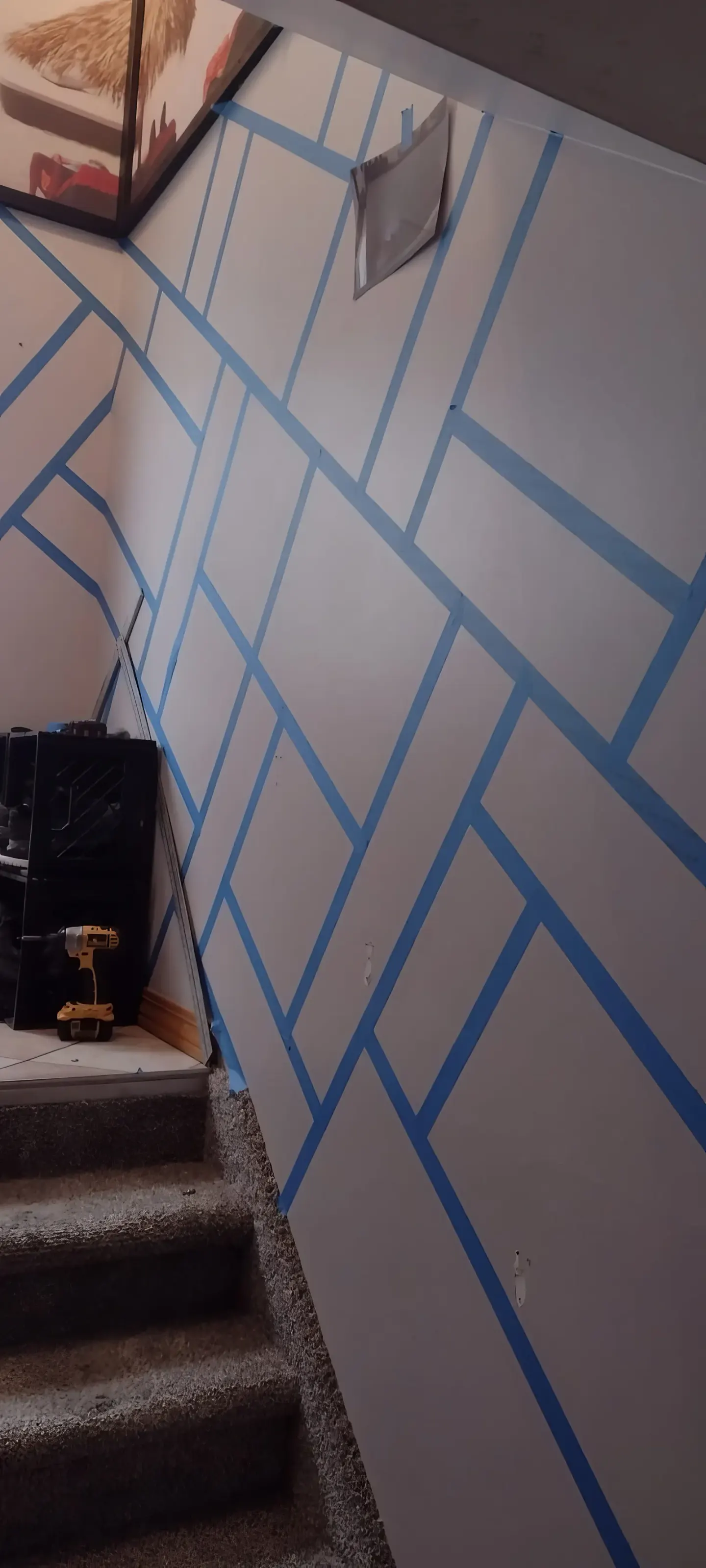
New deck pricing depends on size, material, height above grade, and whether the site is accessible. A ground-level deck costs less than a raised deck because it requires fewer footings, less framing, and no stairs. Second-story decks require additional safety features and more substantial foundations.
Repairs are usually billed by the task: replacing a few boards, reinforcing a wobbly railing section, or replacing worn-out stair treads. A full inspection before repair helps identify all issues so the whole deck gets addressed in one visit.
We include a permit check in every estimate. Salt Lake County requires permits for decks above a certain height or attached to the house structure. We help you understand what is needed and handle the process if applicable.
- Ground-level decks are the most economical to build and easiest to maintain
- Composite decking costs 2-3 times wood but lasts significantly longer with less maintenance
- Raised decks require engineered footings, stairs, and railing that meet code
- Regular sealing (wood) or cleaning (composite) extends deck life and preserves appearance
Materials, Tools, and Prep That Affect Results
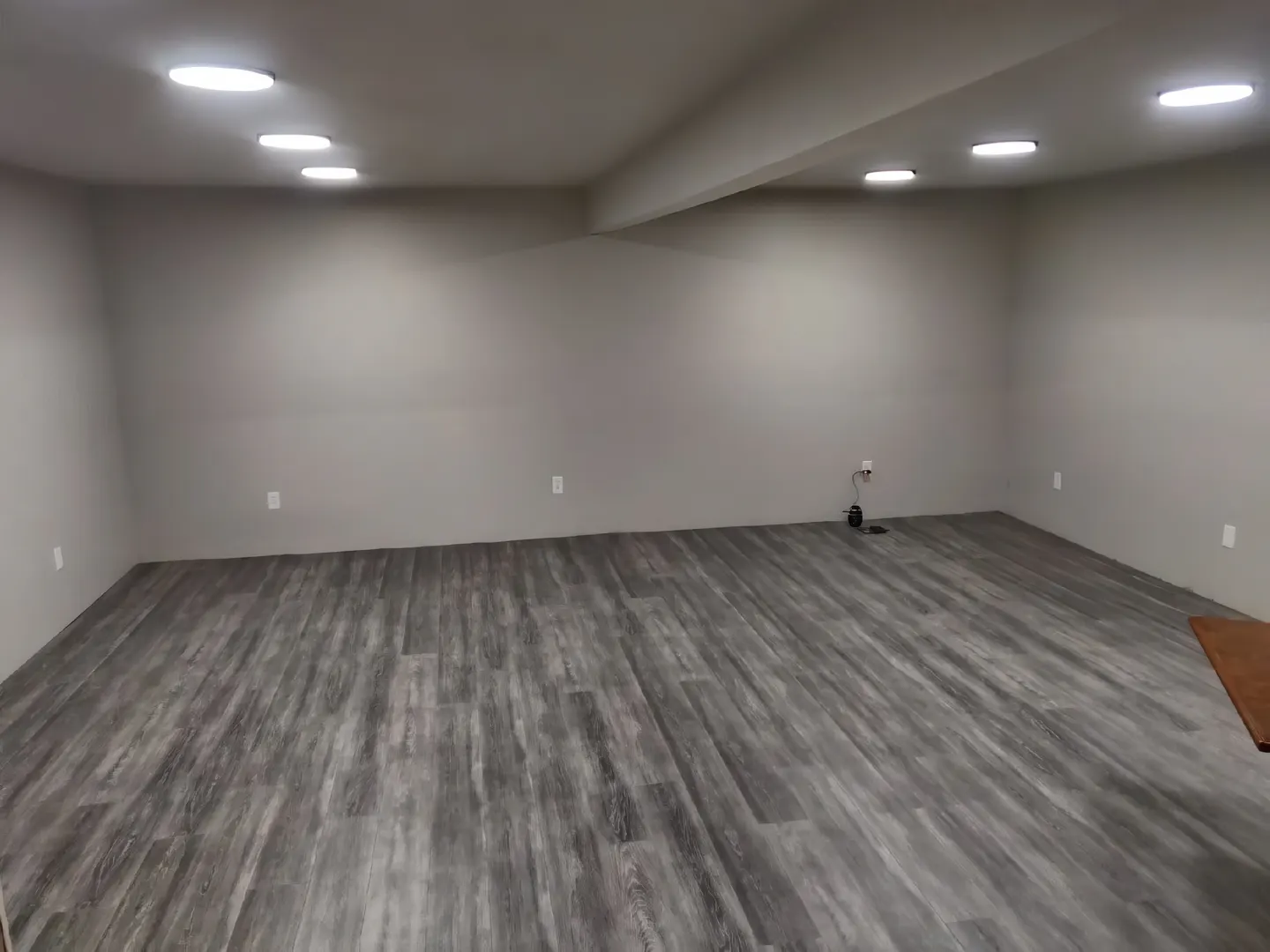
Wood decking — typically cedar, redwood, or pressure-treated pine — remains the most common choice in Salt Lake County. It is affordable, natural-looking, and repairable. The trade-off is annual or biannual sealing to prevent weather damage and UV graying.
Composite decking (Trex, TimberTech, Fiberon) costs more but requires minimal maintenance — just occasional cleaning. It resists rot, splintering, and insect damage. For homeowners who want a set-it-and-forget-it outdoor space, composite is the better long-term value.
The foundation is the most critical part of any deck. Frost heave in Salt Lake County winters can shift improperly set footings, causing the deck to settle unevenly. Footings must extend below the frost line (30 inches in our area) to prevent movement.
Common Mistakes Homeowners Make
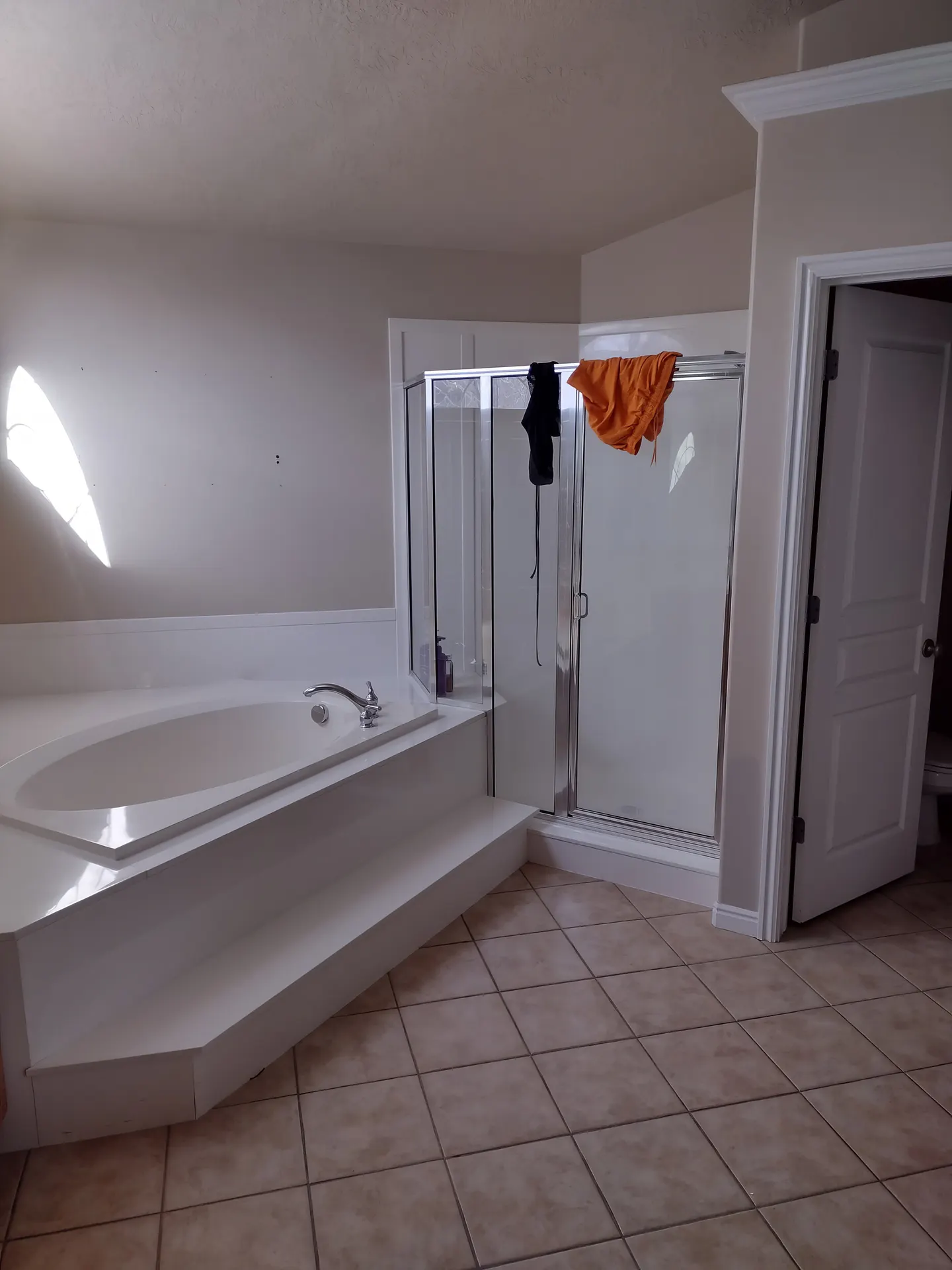
The most common mistake is skipping the permit process. An unpermitted deck can create problems when you sell your home, and if it does not meet code, you may be required to tear it down. The permit also ensures a structural inspection that catches framing issues.
Another frequent issue is attaching the deck ledger board directly to the house without proper flashing. This creates a moisture trap that rots the rim joist and can lead to structural failure. Proper flashing and a 1/4-inch gap with a metal spacer prevent this.
Some homeowners also choose the cheapest decking material without considering long-term maintenance. Pressure-treated pine is affordable upfront but requires consistent care. Factor in the cost of sealant, stain, and labor over 10 years before deciding.
How to Choose a Reliable Local Pro
Ask for proof of licensing and insurance before any deck work begins. A deck is a structural addition to your home — the contractor should carry general liability and workers compensation coverage without exception.
Look for a contractor who asks about your intended use, preferred materials, and whether you want integrated features like built-in seating, planter boxes, or stair gates. A custom deck should match how you actually use your yard, not follow a template.
Local experience in Salt Lake County matters because frost depth, soil conditions, and local permitting requirements vary by jurisdiction. A builder who has worked in Sandy, Draper, and West Jordan knows the differences.
Next Steps for Your Deck Project
Start by measuring the planned area and noting access constraints, sun exposure, and your preferred material. Photos of the site help us provide a more accurate estimate. Let us know if you are repairing an existing deck or starting from scratch.
We serve homeowners across Salt Lake County with deck construction, repair, and maintenance. Reach out through our contact form to discuss your outdoor project.
For related outdoor services like fence repair or power washing, check our fence repair page for additional scope details.
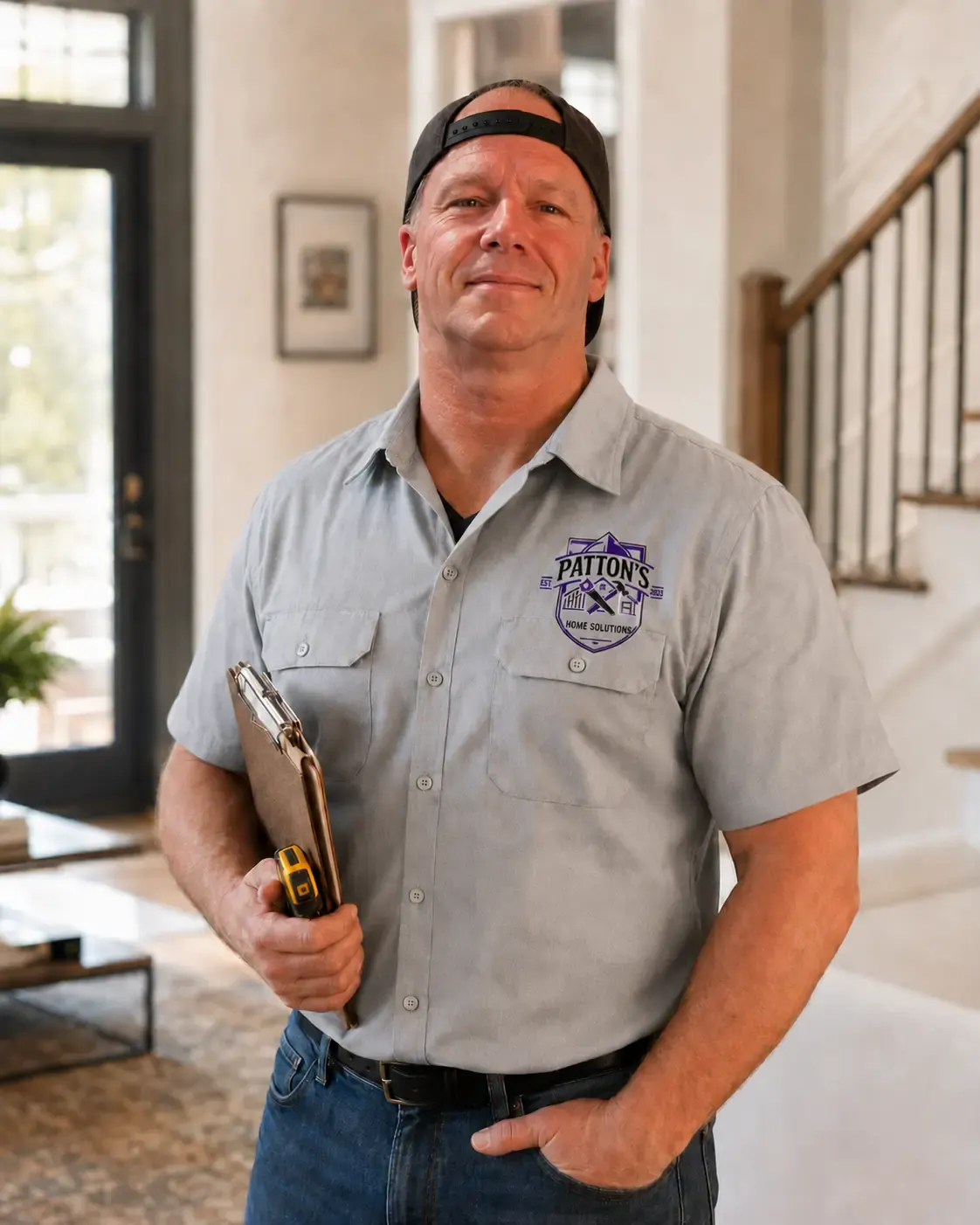
Patton field note
I have spent decades fixing, remodeling, and maintaining homes across Salt Lake County. My goal is to share practical, no-nonsense advice to help you keep your property in top shape.
Tracy Patton · Owner & Lead Specialist
Photos on this guide come from Patton's project and field archive where available; illustrative images are labeled in the article record.
Planning a handyman project?
Share your location, photos, priorities, and timing. Patton will help identify the right next step and connect the conversation to a clear service scope.
Keep researching
Connect this guide to the work itself: review related Patton projects, then check service coverage in Salt Lake City, West Jordan, South Jordan, Sandy, Draper, and nearby Salt Lake County communities.