
When You Need TV Mounting or Picture Hanging
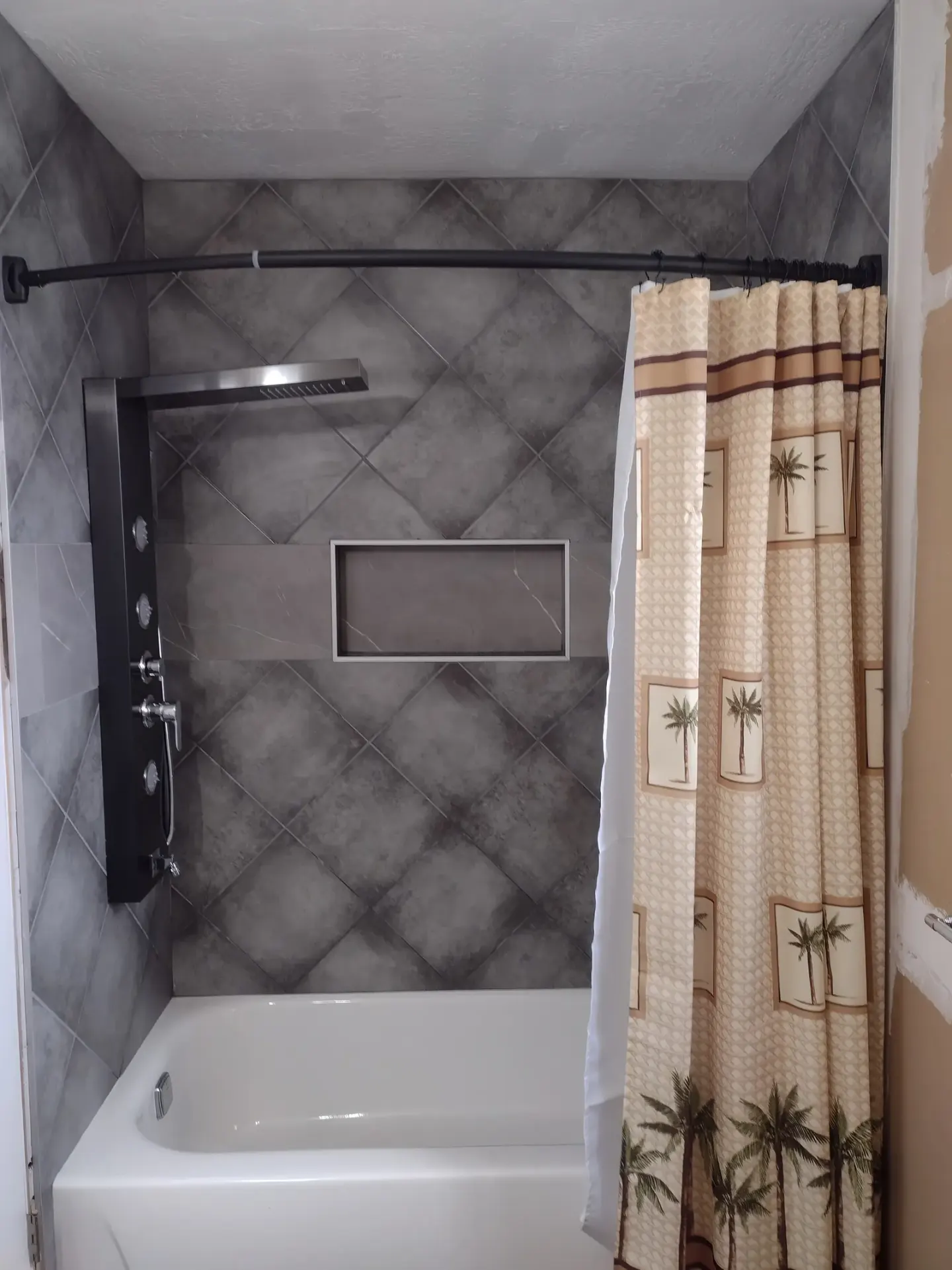
Mounting a TV on the wall is one of the most common handyman requests we receive. It transforms a room by freeing up floor space, eliminating the need for a media console, and creating a clean, built-in look. New home construction, home theater setups, and living room redesigns all benefit from professional TV mounting.
Picture and mirror hanging covers everything from small framed photos to large, heavy mirrors that require reinforced wall anchors. Getting the placement right — height, spacing, and alignment — makes the difference between a gallery-quality arrangement and a wall that looks cluttered.
We mount TVs from 32 to 85 inches on drywall, brick, stone, and concrete walls. We also hang pictures, mirrors, shelves, and decorative wall panels across Salt Lake County.
Typical Scope and Cost Range for TV Mounting and Picture Hanging
TV mounting is typically a flat-rate job per TV. The scope includes locating studs, mounting the bracket, lifting and securing the TV, and concealing cables in the wall if requested. The price varies based on wall type — brick and stone require masonry anchors and diamond-tipped drill bits, which add time and tooling cost.
Picture hanging is usually billed by the piece or as a bundle for multiple items. A single picture hook on drywall takes minutes, but heavy mirrors require finding studs or installing toggle bolts rated for the weight.
We check cable routing options as part of every TV mounting job. In-wall cable management requires cutting a low-voltage bracket, fishing cables, and installing wall plates — this adds scope but delivers a clean result with no visible wires.
- Full-motion mounts let you pull the TV away from the wall for access to ports and cables behind
- Low-profile mounts keep the TV flush against the wall but make cable access difficult after installation
- Brick and stone mounting requires a hammer drill and masonry anchors — not all handymen carry these tools
- Picture rail molding in older Salt Lake County homes works well with specialty hooks that do not damage the molding
- A gallery wall with 5+ pieces looks best when the gaps between frames are uniform — we measure and level each one
Materials, Tools, and Prep That Affect Results
The mount quality determines safety and usability. Cheap mounts may use thin-gauge steel that flexes under the TV weight. We use mounts rated for at least 1.5 times the TV weight, with heavy-duty lag bolts into studs for the primary load-bearing connection.
For drywall-only mounting (when no stud is available at the desired position), we use snap-toggle anchors rated for the specific weight. These expand behind the drywall to distribute the load. Standard plastic wall anchors are not sufficient for a 50-pound TV.
Cable concealment requires a low-voltage bracket, wall plates, and fish tape to route HDMI, power, and audio cables through the wall. We note that local electrical code requires keeping power cables separate from low-voltage cables within the wall cavity.
Common Mistakes Homeowners Make
The most common mistake is mounting the TV too high. The center of the screen should be at eye level when seated — typically 42 inches from the floor to the center of the TV. Mounting above a fireplace often puts the TV too high, causing neck strain during extended viewing.
Another frequent issue is using the wrong mount type for the wall construction. A full-motion mount installed on a single stud creates leverage that can pull the lag bolts out over time. The mount must be secured to a minimum of two studs for full-motion brackets.
Some homeowners also run power cables through the wall without using a proper low-voltage bracket and in-wall rated cable. This violates electrical code in most jurisdictions and can be flagged during a home inspection when selling.
How to Choose a Reliable Local Pro
Ask whether the installer carries multiple mount types and can recommend the best option for your wall and TV size. A handyman who brings a selection of mounts, toggle bolts, and masonry anchors is prepared for any wall type on the first visit.
Look for an installer who guarantees the mount will not come loose. A quality TV mount installation should last the life of the television. We include a one-year workmanship guarantee on all TV mounting and picture hanging work.
Local experience matters because Salt Lake County homes range from century-old brick construction to modern steel-stud framing. Each wall type requires different tools and techniques. A handyman who has worked across all eras of home construction knows how to get a secure mount in any wall.
Next Steps for Your TV Mounting or Picture Hanging Project
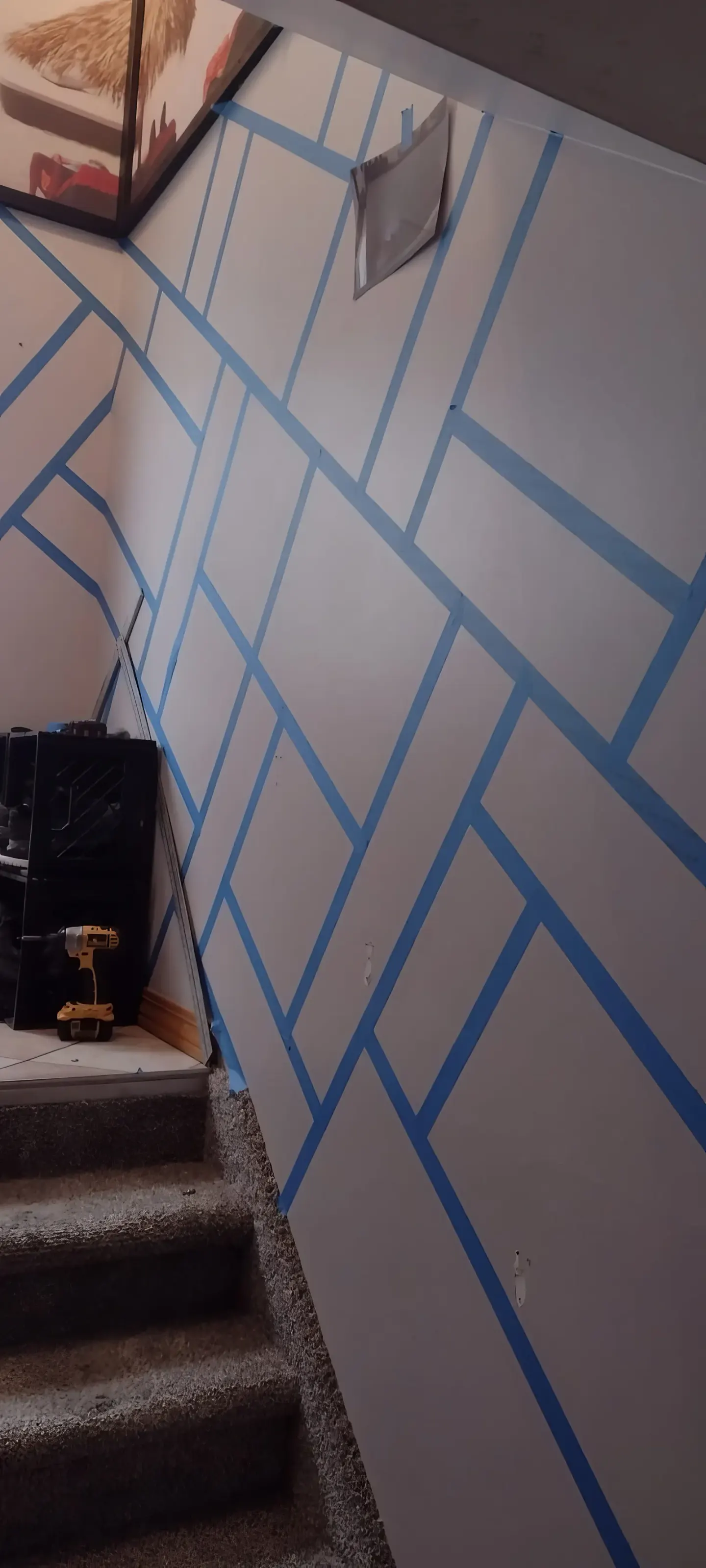
Before we arrive, decide the exact height and position for the TV or artwork. Mark the location with painter's tape so we can confirm the placement before drilling. If you need help choosing a location, we can recommend optimal viewing heights and layout options.
For cable concealment, have your devices (cable box, streaming device, game console) ready so we can connect everything before mounting the TV. We can also install a media shelf behind the TV for devices that need IR signal access.
We serve homeowners across Salt Lake County with TV mounting, picture hanging, and home improvement services. Reach out through our contact form to schedule.
For electrical work associated with TV mounting, check our electrical fixture updates page for outlet installation scope details.
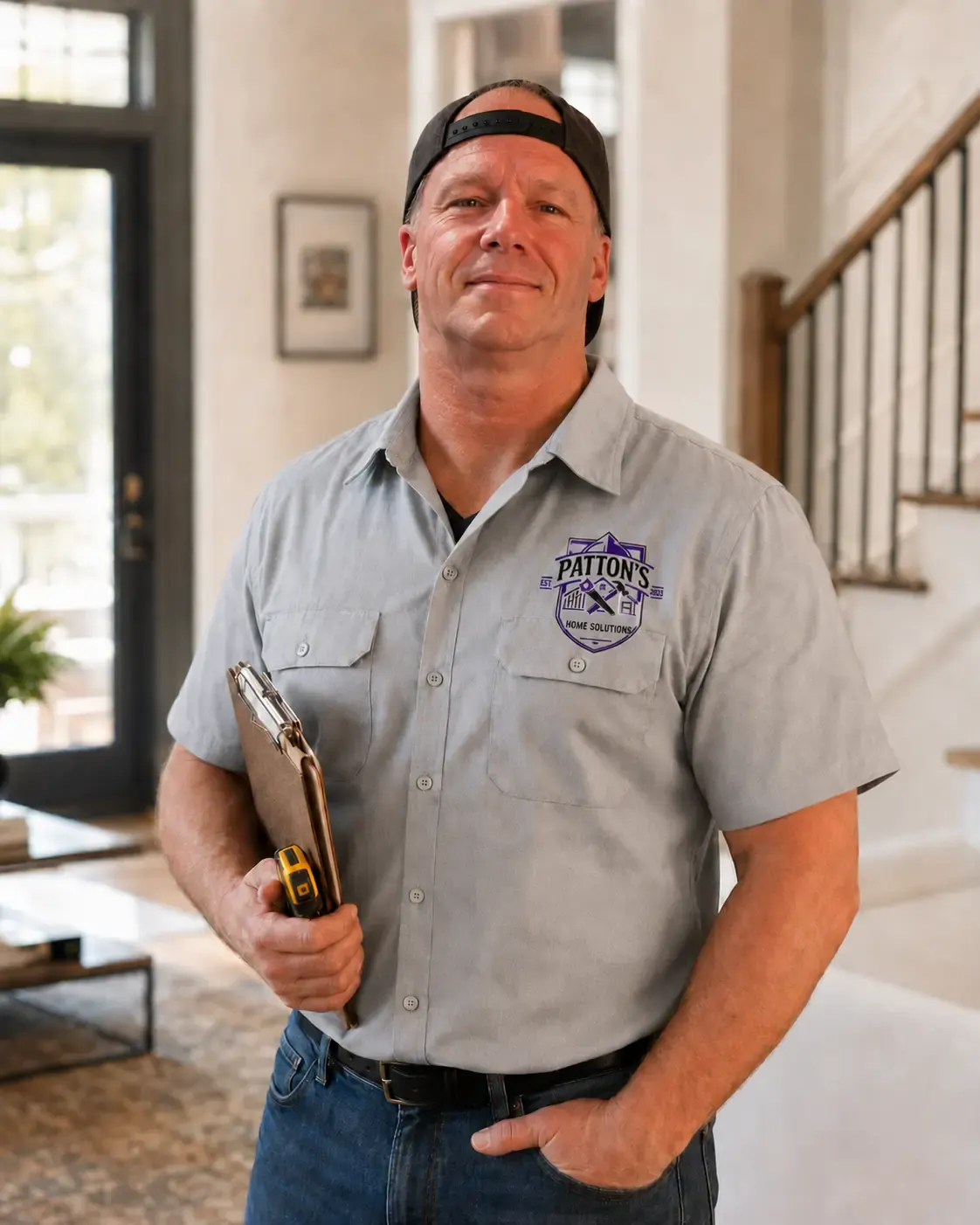
Patton field note
I have spent decades fixing, remodeling, and maintaining homes across Salt Lake County. My goal is to share practical, no-nonsense advice to help you keep your property in top shape.
Tracy Patton · Owner & Lead Specialist
Photos on this guide come from Patton's project and field archive where available; illustrative images are labeled in the article record.
Planning a handyman project?
Share your location, photos, priorities, and timing. Patton will help identify the right next step and connect the conversation to a clear service scope.
Keep researching
Connect this guide to the work itself: review related Patton projects, then check service coverage in Salt Lake City, West Jordan, South Jordan, Sandy, Draper, and nearby Salt Lake County communities.