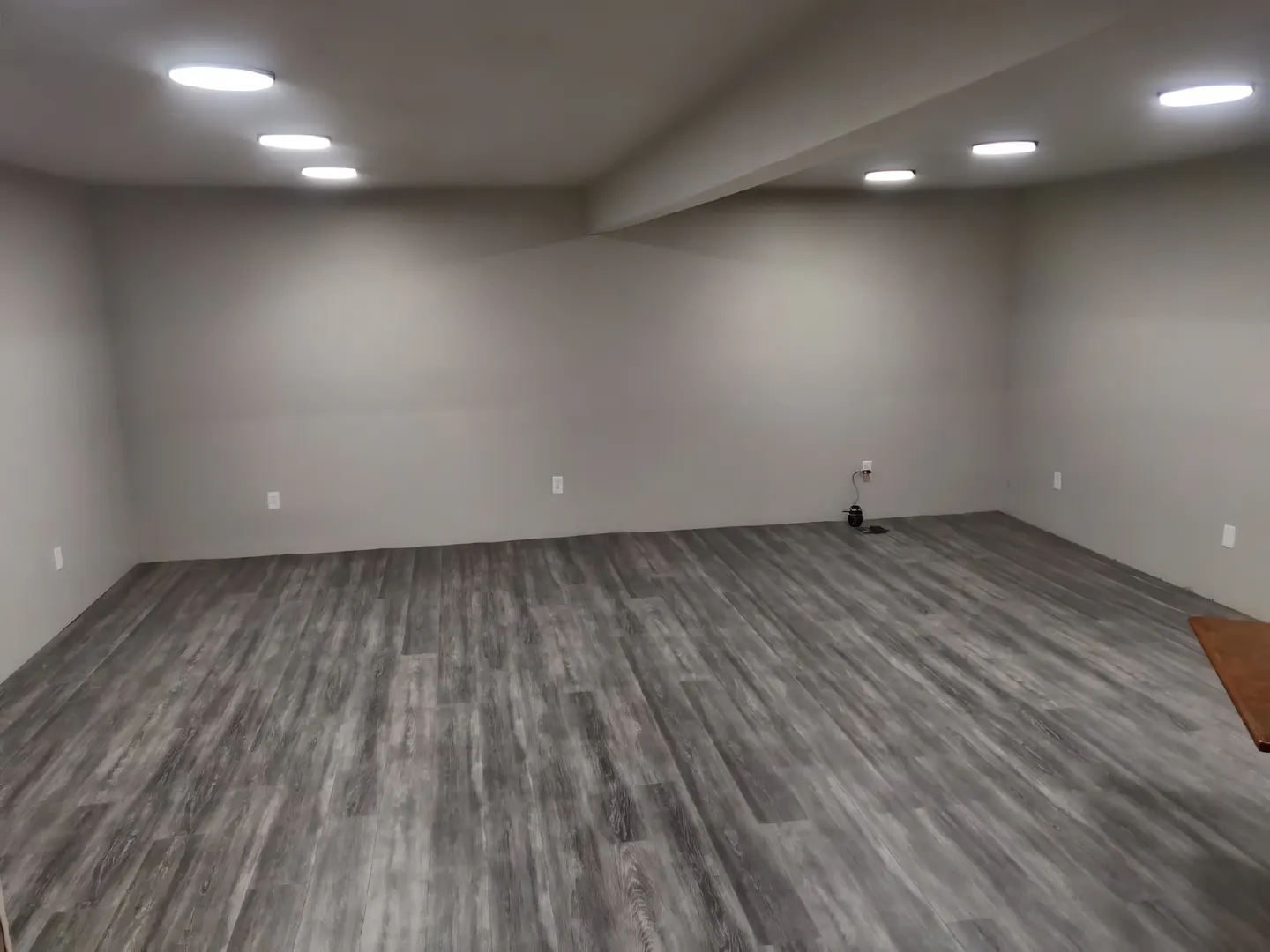
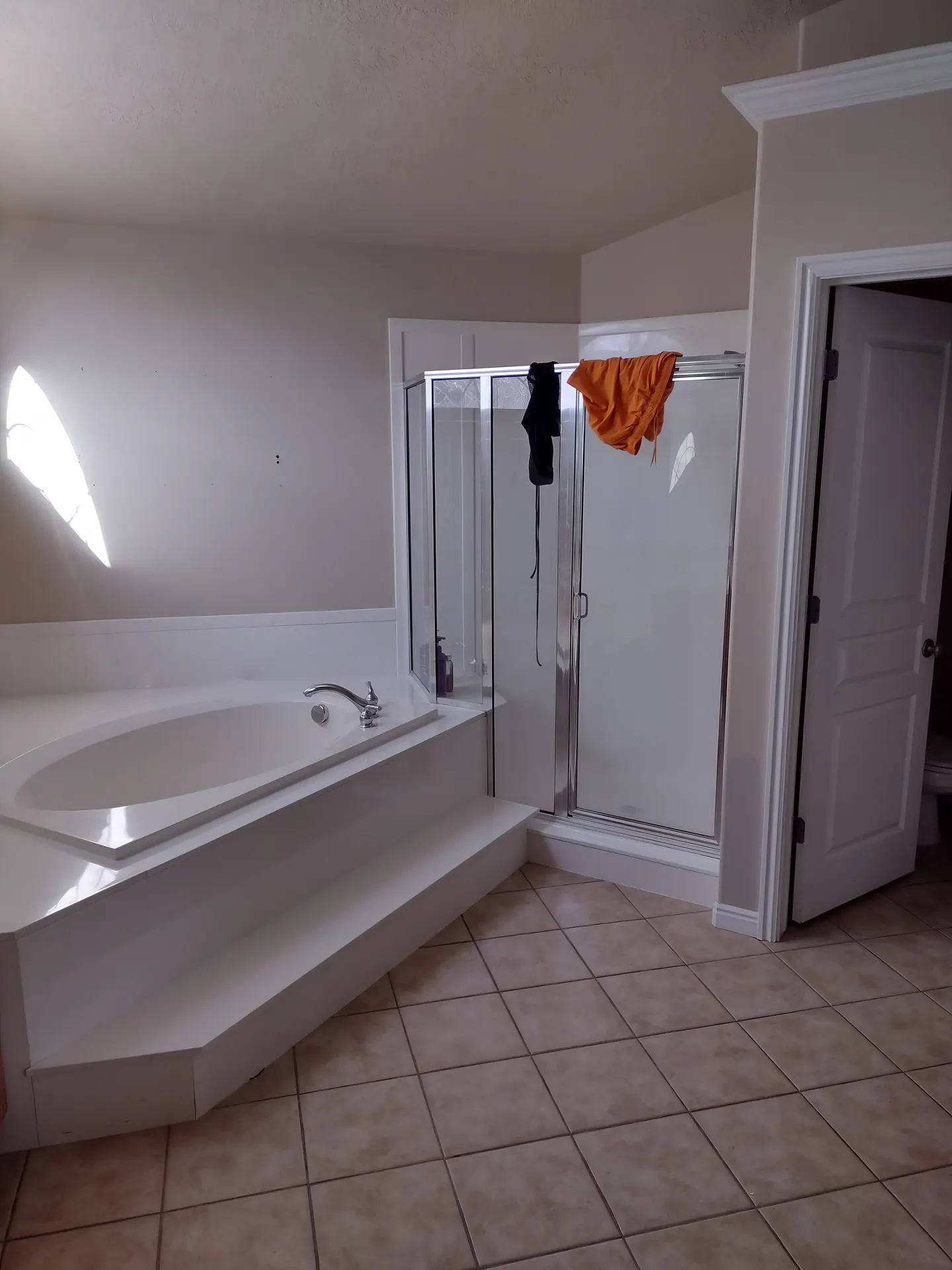
Identifying Stress Cracks from Settling

If you live anywhere near the Wasatch Front, you've probably noticed those little spiderweb cracks forming above your door frames or near your windows. In Salt Lake County, our homes go through a lot of movement. Between the intense summer heat, the deep winter freeze, and the sandy soil settling under our foundations, the ground under our feet is constantly shifting. This movement puts a ton of stress on your framing, and the drywall is usually the first thing to show the strain.
I tell my clients all the time: a stress crack doesn't necessarily mean your house is falling down. Most of the time, it's just cosmetic. But that doesn't mean you should ignore it. It looks messy, and it can lower the perceived value of your space if you're trying to sell. When we handle these repairs, we don't just slap some cheap spackle over the top and call it a day. That's how you get the same crack coming back next spring. We cut out the damaged tape, apply a high-quality fiberglass mesh, and use a flexible joint compound that can handle a bit of "breathing" as the house continues its seasonal cycles. It’s about doing the job right the first time so you aren't staring at the same ugly line next year.
Patching Holes and Furniture Dents
Life happens, and sometimes that life leaves a mark on your walls. Whether it was a teenager who swung a bedroom door open too hard, or a piece of heavy furniture that got a little too close to the wall during moving day, holes and dents are just part of homeownership. I've patched more doorknob holes than I can count. Small dings can often be filled with a bit of lightweight mud, but larger holes require a more robust approach. You can't just fill a fist-sized hole with mud; it will crack and fall out. You need a solid backer.
But the real secret to a seamless repair isn't the patch itself—it's the texture match. This is where most DIY projects fail. Most Utah homes built in the last thirty years feature orange peel or knockdown textures that are notoriously difficult to replicate with one of those spray cans from the hardware store. It takes a trained hand. We take the time to feather out the edges of the repair and apply a custom-matched texture so that once the paint is on, the repair completely disappears. If you can still see where the hole was after the paint dries, the job simply isn't done.
Addressing Water Damage and Moisture Stains
Water is the enemy of drywall. Period. Whether it's a leaky pipe behind a bathroom wall, a window seal that has seen better days, or an ice dam on your roof during a January snowstorm, water always finds a way down. If you notice a spot on your ceiling or wall that is soft to the touch or starting to show those telltale yellow or brown stains, you have more than just a cosmetic problem. Moist drywall loses its structural integrity quickly, and worse, it becomes a perfect breeding ground for mold. You do not want mold inside your walls.
Our approach is to first ensure the source of the moisture has been completely fixed. There is no point in replacing drywall if the pipe is still dripping. Then, we cut out the damaged section entirely. I always go a few inches beyond the visible damage to ensure we're working with clean, dry material. We install new moisture-resistant "green board" where appropriate, tape it, mud it, and finish it to match the surrounding wall. It’s a critical step in maintaining a healthy and safe environment in your home. Don't wait to address water stains; they never get better on their own.
When to Call a Professional Handyman
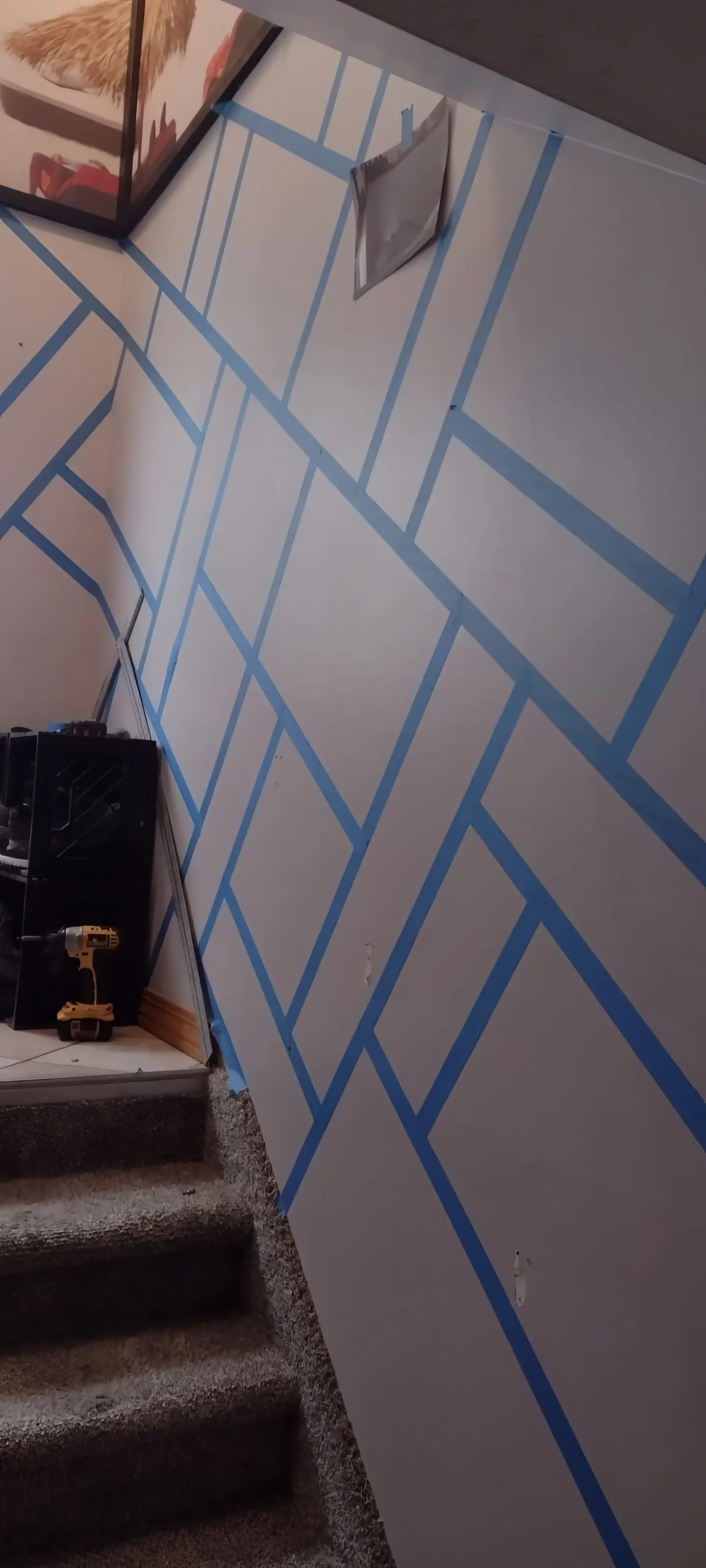
Let's be honest: drywall work is messy, dusty, and requires a lot of patience. If you've ever tried to sand a ceiling patch while standing on a ladder, you know exactly what I mean. Achieving a perfectly flat finish or a matching texture is an art form that takes years to master. If you have a large area to repair, a ceiling that needs attention, or you just want to ensure that your home looks its absolute best, it’s usually much more cost-effective to call in a professional than to spend your entire weekend fighting with a bag of mud and a sanding block.
At Patton Home Solutions, we specialize in these "small but critical" repairs that make a huge difference in how your home feels. We keep the dust down, we match the texture perfectly, and we leave the room cleaner than we found it. If you're dealing with drywall issues or any other home maintenance needs, check out our handyman services or reach out through our contact form. We’re here to help you keep your Salt Lake County home in top shape.
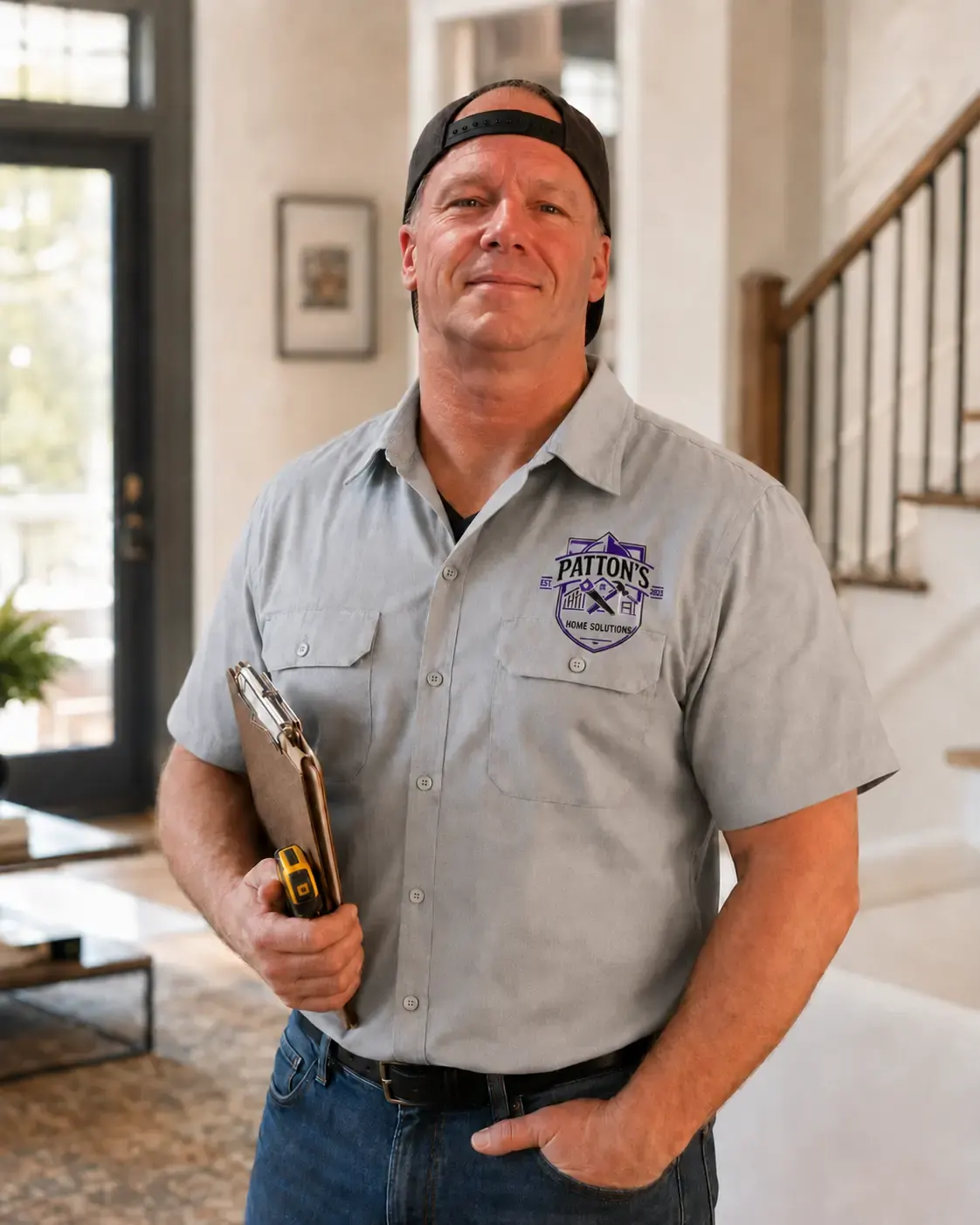
Patton field note
I have spent decades fixing, remodeling, and maintaining homes across Salt Lake County. My goal is to share practical, no-nonsense advice to help you keep your property in top shape.
Tracy Patton · Owner & Lead Specialist
Photos on this guide come from Patton's project and field archive where available; illustrative images are labeled in the article record.
Planning a whole-home project?
Share your location, photos, priorities, and timing. Patton will help identify the right next step and connect the conversation to a clear service scope.
Keep researching
Connect this guide to the work itself: review related Patton projects, then check service coverage in Salt Lake City, West Jordan, South Jordan, Sandy, Draper, and nearby Salt Lake County communities.