When You Need Drywall Installation
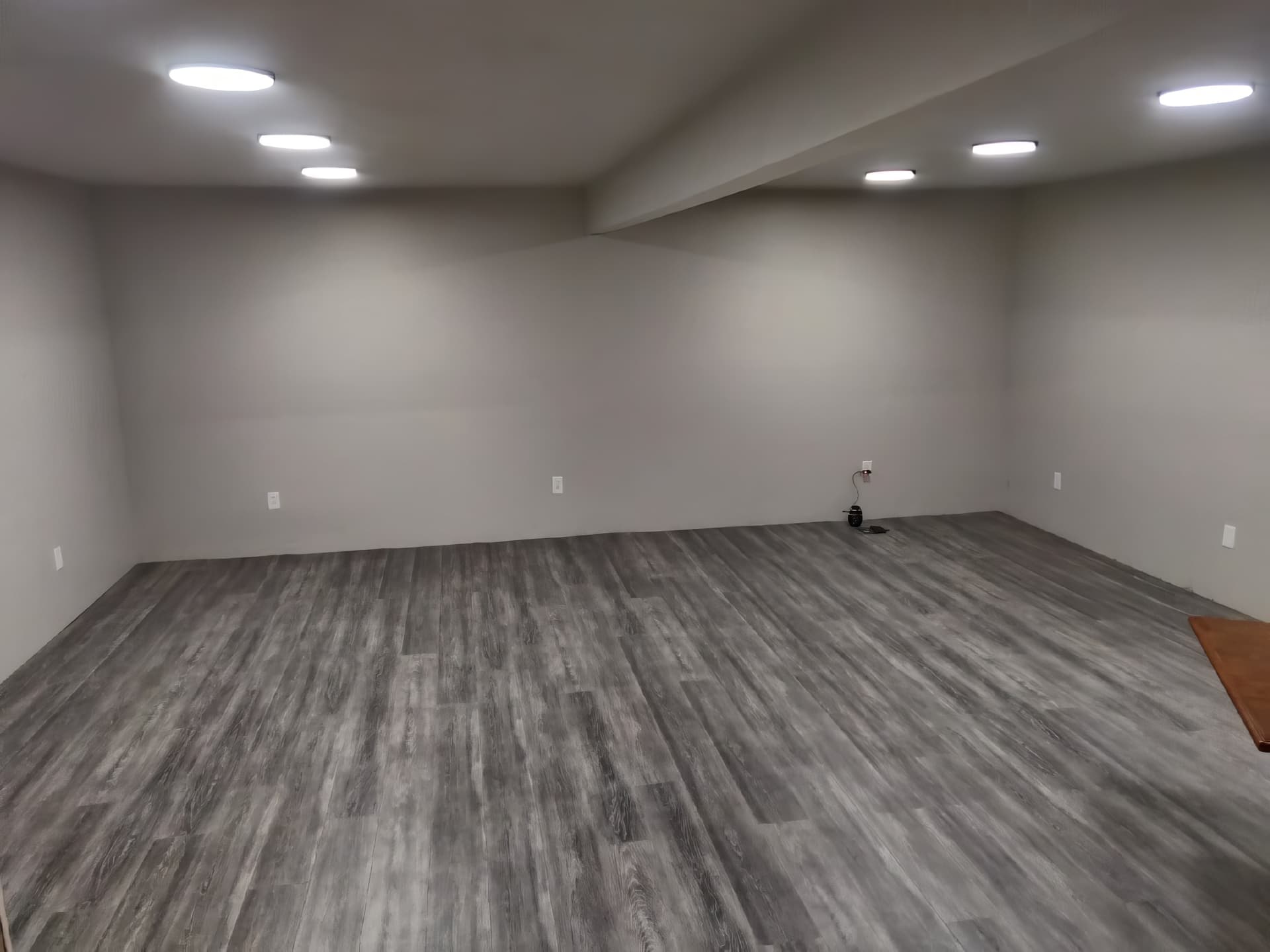
New drywall goes in during remodels, room additions, and after major repairs like water damage or fire restoration. If you are finishing a basement, converting a garage, or dividing a large room into two smaller spaces, drywall is the standard finish for modern Salt Lake County homes.
You might also need drywall replacement if existing walls have extensive cracking, old water stains that keep bleeding through paint, or outdated textures that clash with your renovation goals. Full replacement is sometimes cleaner than trying to patch and blend an older wall.
For smaller jobs — a single damaged section or a patch after moving a doorway — spot repair is usually sufficient. We can match existing texture and thickness so the repair blends in rather than standing out.
Typical Scope and Cost Range for Drywall Installation
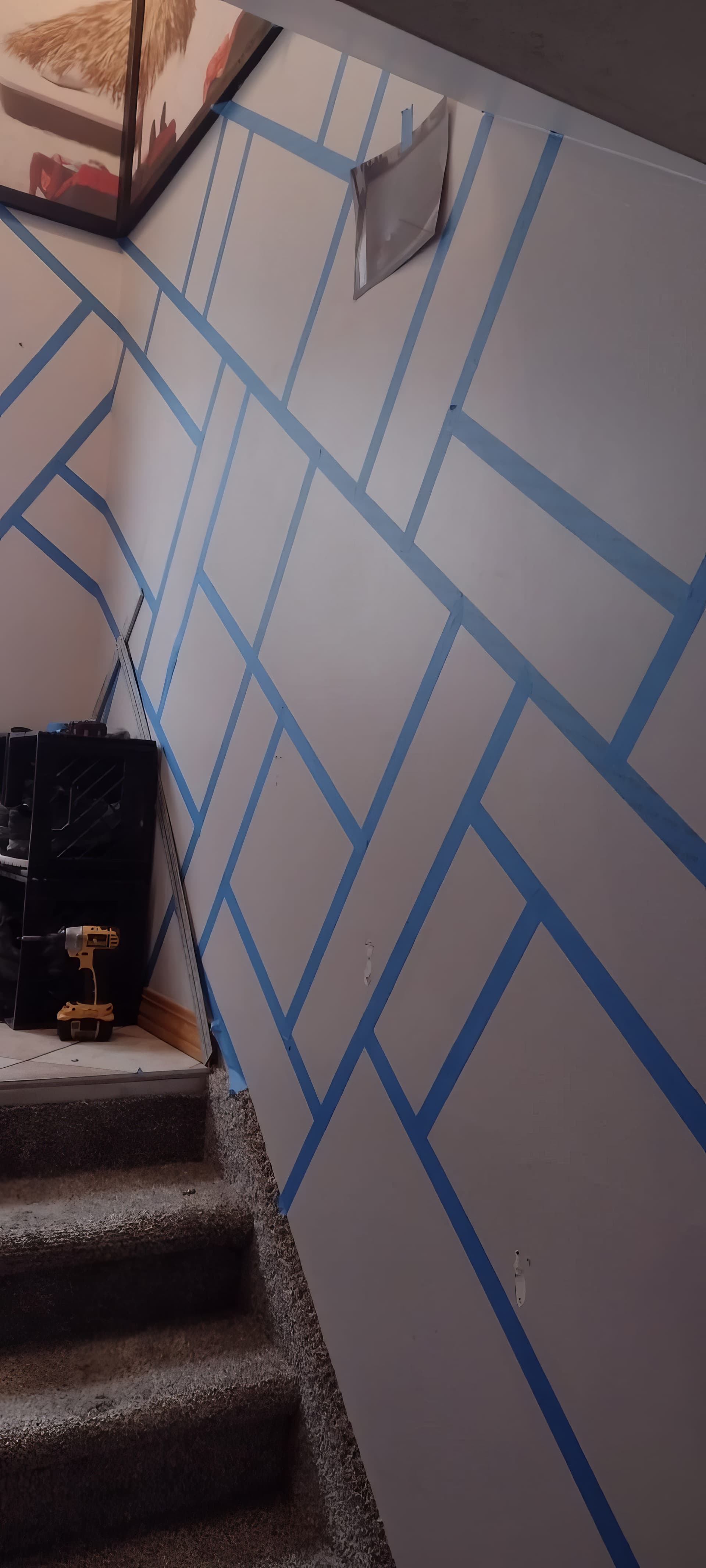
Drywall pricing is usually calculated per square foot of material installed, with separate line items for taping, mudding, and texture. The total depends on ceiling height (taller ceilings mean more joints and harder access), the number of corners and cutouts, and the finish level you want.
Level 4 finish (tape, mud, light texture) is standard for most homes. Level 5 (skim coat) costs more but gives a smooth, uniform surface ideal for critical lighting or high-gloss paint. Most Salt Lake County homeowners choose Level 4 for walls and Level 5 for ceilings in rooms with lots of natural light.
Removal and disposal of old drywall adds to the cost if the job includes demolition. We include debris haul-off in our estimates so there are no surprises at the end.
- Standard 8-foot ceilings are the most economical to drywall
- Vaulted or 10+ foot ceilings add cost due to scaffolding and more joints
- Textured finishes (knockdown, orange peel, smooth) affect labor time
- Paint-ready drywall costs more than raw hung-and-taped, but saves you a step
Materials, Tools, and Prep That Affect Results
Not all drywall is the same. Standard 1/2-inch drywall works for most walls, but 5/8-inch fire-rated board is required in garages and在某些 shared wall assemblies. Moisture-resistant green board belongs in bathrooms and basements where humidity is a factor.
The quality of the taping and mudding matters far more than the brand of drywall. A skilled finisher knows how to prevent bubbles, edge curl, and cracking at butt joints. Good sanding between coats makes the difference between a wall that photographs well and one that catches light wrong.
We use setting-type compound for the first coat (faster dry time, less shrinkage) and all-purpose compound for the final coats. This combination produces flatter joints and fewer callbacks.
Common Mistakes Homeowners Make
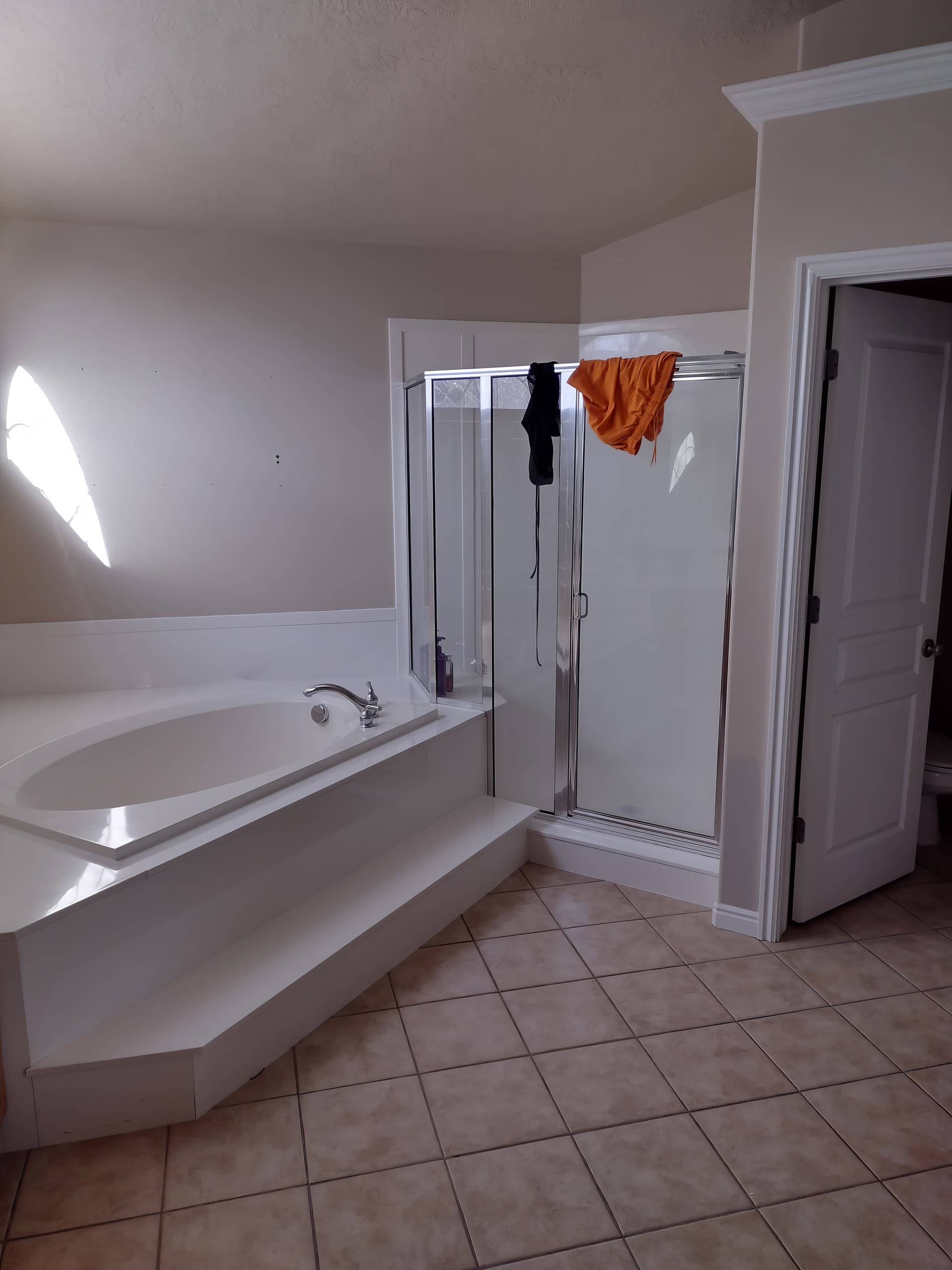
The most common mistake is going with the cheapest bid and ending up with visible seams, nail pops, or texture mismatch. Drywall finishing is a skill trade — the difference between a good finisher and an okay finisher is obvious once paint hits the wall.
Another frequent issue is skipping the primer. Drywall soaks up paint unevenly if you skip a dedicated primer coat, leading to flashing (shiny patches) and inconsistent sheen. Always prime before painting new drywall, even if the paint claims to be self-priming.
Some homeowners also try to hang drywall themselves to save money, then hire a finisher to tape and mud. This often backfires because the hanging affects how flat the finish can be — gaps that are too tight or too wide both create finishing problems.
How to Choose a Reliable Local Pro
Ask for photos of finished work, especially in rooms with similar conditions to yours (vaulted ceilings, lots of corners, or specific textures). A good drywall contractor is proud to show before-and-after shots that demonstrate tape-work quality and texture consistency.
Check whether the estimate includes delivery, staging (moving boards into the work area), debris removal, and a final sanding before primer. If the bid is vague about what is included, the odds of change orders go up.
Local experience matters: Salt Lake County homes built in different eras have different framing standards. A pro who has worked in post-war bungalows, 1970s ramblers, and modern track homes knows what to expect behind the existing walls.
Next Steps for Your Drywall Installation Project
If you are planning a drywall project in Salt Lake County, start by measuring the total square footage and noting ceiling heights, accessibility, and any special requirements like moisture-resistant board. Photos of the space help us give you a more accurate estimate on the first call.
We serve Salt Lake City, West Valley City, West Jordan, South Jordan, Sandy, and Draper with drywall installation, repair, and finishing. Reach out through our contact form or call to discuss your project timeline and finish expectations.
For smaller drywall repairs, check our drywall repair service page for scope details and common pricing on patches, texture matching, and seam repairs.
Need repair help fast?
Tell us your project details, location, and symptoms. We’ll follow up quickly to confirm scope and scheduling.